Ultimate Guide to Ensuring Your Cat’s Dental Health
Key Steps for Your Cat’s Initial Dental Evaluation
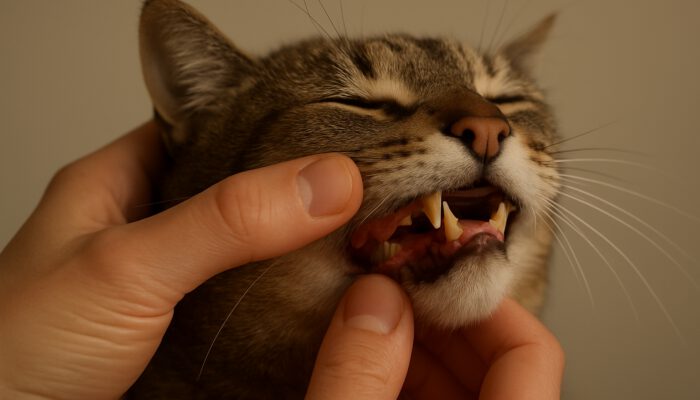
Before starting any teeth cleaning routines, it is essential to carry out a comprehensive evaluation of your cat’s dental health. This critical first step can uncover existing dental problems, such as tartar accumulation, gum inflammation, or tooth decay. A thorough assessment enables you to tailor your dental care strategy, ensuring a safe and comfortable brushing experience for your furry friend.
Begin by carefully inspecting your cat’s mouth for signs of discomfort or abnormalities. Look for indicators like redness, swelling, or bleeding of the gums, and evaluate the overall health of their teeth. If you notice any concerning symptoms, seek advice from your veterinarian before initiating at-home dental care. This proactive measure not only safeguards your cat’s well-being but also enhances the likelihood of success in your brushing efforts.
Once you have assessed your cat’s dental health, you can confidently select the right tools and techniques suited to their individual needs. This thoughtful selection process ensures that introducing dental care products is both safe and effective, promoting a positive experience for your pet.
Strategies for Daily Monitoring to Detect Dental Issues Early
Keeping a close eye on your cat’s eating habits and gum condition is vital for early detection of dental problems. Notice any changes in their appetite; a reduced interest in food might indicate dental pain or discomfort. Be aware of their chewing behaviour; if your cat avoids certain foods or favours one side of their mouth, it could signal an underlying issue.
Regularly checking your cat’s gums is crucial. Look for signs of inflammation, discolouration, or other irregularities. Healthy gums should appear pink and firm, whereas swollen or bleeding gums may signal gingivitis or other dental diseases. By attentively monitoring these signs, you can spot potential problems early and seek veterinary help when necessary.
Incorporating daily observations into your routine not only improves dental health but also strengthens the bond between you and your cat. By being attuned to their needs, you foster an environment that encourages regular dental care.
How to Choose the Most Appropriate Dental Care Tools for Your Cat
Selecting the right dental care tools is vital for effective cleaning while ensuring your cat’s comfort and safety. When purchasing a <a href="https://elgatoencasa.com/professional-grooming-vs-home-care-for-pets-pros-and-cons/">teeth brushing kit</a>, consider your cat’s size and temperament. Smaller breeds or kittens may benefit from softer bristles and smaller brushes, while larger cats might require sturdier options.
Look for kits that offer a variety of tools, such as finger brushes, traditional brushes, and dental wipes. This assortment allows you to experiment and determine the most comfortable method for your cat. Ensure the materials used in the kit are safe and non-toxic, as cats may chew on their dental tools.
Take your cat’s behaviour during grooming sessions into account. If they appear anxious or resistant, choose tools designed to minimise stress, such as those with ergonomic handles or gentle bristles. Selecting the right tools can make brushing smoother and enhance dental hygiene.
Preparing Thoroughly for Your Cat’s Dental Care Routine
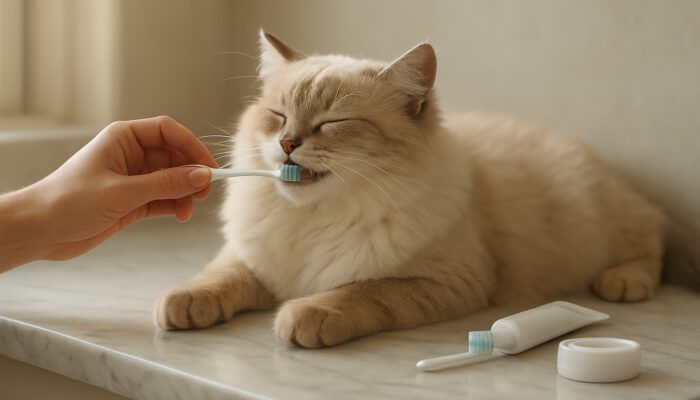
Building Positive Associations with Dental Tools
Establishing positive associations with dental care tools is crucial for successful brushing sessions. Gradually introduce your cat to the tools, allowing them to explore and sniff the brushes and toothpaste without pressure. Use treats to reinforce positive behaviour during this introductory phase, making the experience enjoyable for your pet.
Once your cat is accustomed to the tools, begin integrating them into your daily routine. Offer praise and rewards after each successful interaction, whether it involves simply allowing you to handle the brush or getting used to the toothpaste. This process helps your cat associate dental care with positive experiences, reducing anxiety during actual brushing sessions.
Over time, your cat will start to look forward to these moments. By fostering a positive atmosphere, you lay the groundwork for a successful dental care routine that benefits both you and your feline friend.
Applying Gentle Handling Techniques
Employing gentle handling methods around your cat’s mouth is essential for helping them acclimatise to touch, significantly reducing resistance during brushing. Start with soft strokes on your cat’s face and gradually progress towards their mouth. Use a calm and soothing tone to help them feel secure during these handling exercises.
Incorporate brief sessions where you gently lift your cat’s lips to expose their teeth and gums. Reward them with treats or praise for their cooperation, reinforcing the idea that this handling is a positive experience. The goal is to make your cat comfortable with having their mouth touched, easing the transition to actual brushing.
Consistency in this practice is vital. Regular handling will help your cat become more accustomed to the process, leading to a smoother brushing experience. Remember to be patient; every cat is unique, and some may take longer to adjust than others.
Creating a Comfortable Brushing Environment

Establishing a calm and quiet space for dental care is crucial for minimising distractions and anxiety during brushing sessions. Choose a familiar location for your cat, such as their favourite resting spot or a quiet room away from daily activities. This setting helps your cat feel secure and more willing to engage in the dental care routine.
Ensure that the area is well-lit and uncluttered, allowing you to focus on the task at hand. Keeping all necessary tools within reach will streamline the process. Consider using calming aids, such as pheromone diffusers or soft music, to further reduce stress during the sessions.
Creating a designated dental care area not only enhances the effectiveness of your brushing routine but also signals to your cat that it’s time for dental care. This consistency aids your pet in becoming more comfortable with the process over time.
Choosing the Most Effective Dental Kits for Your Cat
Assessing Material Quality in Dental Kits
Evaluating the quality of materials in teeth brushing kits is essential for ensuring safe and effective cleaning for your cat. Start by checking the softness of the bristles; kits with soft, flexible bristles are ideal for sensitive feline mouths. Hard bristles can cause discomfort or even injure the gums, making it crucial to select a gentle option.
The grip of the handle is another important factor. An ergonomic handle allows for better control during brushing, minimising the risk of slipping or mishandling. Look for kits specifically designed for pet owners, as they typically include features that cater to the unique needs of feline dental care.
Ensure that all materials included in the kit are non-toxic and safe for pets. Cats are naturally curious and may chew on their dental tools. Opting for high-quality, pet-safe products will help protect your cat’s health while promoting effective dental hygiene.
Selecting the Right Size and Fit for Your Cat
Matching the size and fit of the teeth brushing kit to your cat’s mouth is essential for comfort and effectiveness during use. A brush that is too large may miss critical tooth surfaces, while one that is too small may not clean efficiently. Take your cat’s breed and size into account when choosing a kit to ensure a proper fit.
When trying out a new kit, observe your cat’s response to the brush. If they seem uncomfortable or resistant, it may be necessary to select a different size or type of brush. Finger brushes are an excellent option for smaller cats, as they provide better control and access to hard-to-reach areas.
Some kits come with various brush sizes or shapes, enabling you to experiment and find the best fit for your cat. By ensuring that the tools are appropriately sized, you can create a more effective and enjoyable brushing experience for both you and your pet.
Important Safety Features in Dental Kits
When selecting teeth brushing kits for cats, reviewing safety features is crucial for safeguarding your pet’s health. Non-toxic ingredients in toothpaste and other dental products should be a top priority, as certain substances can be harmful to cats. Always choose products specifically formulated for feline use to ensure safety.
An ergonomic design is another key consideration. Kits with handles designed for comfort and control can help prevent accidents during brushing sessions. Look for features that reduce the likelihood of slipping or mishandling, as these can lead to injuries or discomfort for your cat.
Check whether the kit includes safety instructions or guidelines for use. Kits that provide clear information on how to effectively brush your cat’s teeth can help minimise risks and ensure a positive experience. Prioritising safety features contributes to a successful dental care routine that keeps your cat healthy and happy.
Assessing Cost and Value in Dental Kits
Evaluating the overall cost of teeth brushing kits in relation to their components, durability, and long-term benefits is essential for making an informed decision. While it can be tempting to choose the cheapest option available, investing in a quality kit can yield better results and a more effective dental care routine.
Review the components included in the kit, such as brushes, toothpaste, and additional tools. A more comprehensive kit may offer better value, as it provides everything necessary for effective dental care. Assess the durability of the materials; a well-constructed kit should last longer and withstand regular use.
Consider the long-term benefits of maintaining your cat’s dental health. Regular brushing can prevent costly veterinary procedures related to dental disease, making the initial investment in a quality kit worthwhile. By thoughtfully evaluating cost and value, you can find a teeth brushing kit that meets your needs and supports your cat’s overall health.
Insights from Experts on Cat Teeth Brushing Kits
Understanding Product Longevity
Durability is a critical factor when selecting teeth brushing kits for cats. Experts recommend choosing brands that have undergone rigorous testing to ensure their brushes maintain effectiveness over time. Comparing bristle wear rates across different brands can assist in making long-term purchases that preserve performance and provide consistent results.
To assess bristle durability, consider the overall lifespan of the entire kit. High-quality materials and construction can prevent premature wear and tear, ensuring that your investment lasts. Reading reviews and expert opinions can offer valuable insights into which brands consistently deliver durable products.
Ultimately, selecting a durable teeth brushing kit not only enhances your cat’s dental health but also saves you money in the long run. By prioritising quality and durability, you can ensure that your cat receives the best dental care possible.
Veterinary Insights on Dental Care Practices
Real-world examples from veterinary practices illustrate the importance of consistently using specific teeth brushing kits in improving dental health scores among cats. Case studies indicate that households integrating regular brushing into their routines often witness significant improvements in their pets’ dental conditions.
For instance, one veterinary clinic reported a notable decline in gingivitis cases among cats whose owners consistently used a particular brand of brushing kit. The clinic noted that these cats displayed healthier gums and reduced plaque accumulation over time, underscoring the effectiveness of regular dental care.
These instances highlight the value of finding a suitable teeth brushing kit and committing to a consistent routine. Sharing success stories from real-world practice can empower pet owners to maintain their cat’s dental health through effective brushing.
Steps to Incorporate Dental Care into Your Routine
Incorporating teeth brushing kits into your cat’s care schedule requires a structured approach. Start with a four-week plan that gradually introduces brushing into your routine. In the first week, focus on familiarising your cat with the tools and allowing them to explore without pressure.
During the second week, begin gently handling your cat’s mouth, incorporating brief practice sessions to build comfort. By the third week, start introducing the actual brushing process, keeping sessions short and enjoyable. During the fourth week, aim for consistency by establishing a regular brushing schedule.
Throughout this process, set milestone checks to assess your progress. Monitor your cat’s comfort level and adjust your approach as necessary. By following these actionable steps, you can successfully integrate teeth brushing kits into your cat’s care routine, promoting improved dental health over time.
Evaluating Ingredient Safety in Dental Products
The safety of ingredients in dental formulations is a critical consideration when choosing teeth brushing kits for cats. Veterinary experts emphasise the importance of avoiding toxic substances such as xylitol, which can be harmful to pets. When selecting toothpaste, opt for formulations specifically designed for feline use, as these are more likely to be safe and effective.
Consider the flavouring agents used in the toothpaste. Cats can be particular about tastes, so finding a flavour that appeals to your pet is crucial for successful brushing sessions. Many brands offer chicken or fish-flavoured options that are more palatable for cats.
By analysing ingredient safety and seeking expert recommendations, you can ensure that the dental products you use are both effective and safe for your cat. This attention to detail will contribute to a successful brushing routine that promotes long-lasting dental health.
Long-Term Health Benefits from Regular Brushing
Consistent use of quality teeth brushing kits can lead to significant long-term health benefits for cats. Expert reviews and longitudinal studies indicate that regular brushing contributes to reduced tartar buildup, a lower incidence of gingivitis, and improved overall wellness in felines.
Cats receiving regular dental care often exhibit better appetite and energy levels, indicating a direct link between oral health and overall well-being. Preventing dental disease through routine brushing not only enhances quality of life but also decreases the need for costly veterinary interventions in the future.
By prioritising long-term dental care, pet owners can ensure their cats enjoy healthier, happier lives. Investing time and effort into a consistent brushing routine yields improved health outcomes and reduced veterinary expenses.
What Benefits Do Teeth Brushing Kits Provide for Cats?
Significant Decrease in Tartar Accumulation
Regular use of teeth brushing kits for cats results in a noticeable reduction in tartar buildup. Consistent brushing prevents plaque from hardening, thereby lowering the risk of gum disease and promoting fresher breath over time. By establishing a routine, pet owners can help maintain their cat’s dental hygiene and overall health.
By preventing tartar accumulation, regular brushing also enhances gum health. Healthy gums are less susceptible to inflammation and bleeding, contributing to a more comfortable mealtime experience for your cat. This proactive approach to dental care benefits not only your pet’s mouth but also their overall quality of life.
Ultimately, minimising tartar buildup through regular brushing can lead to fewer dental-related health issues, saving owners from the stress and expense of emergency veterinary visits. Investing in a teeth brushing kit is a straightforward yet effective strategy to support your cat’s long-term dental health.
Improved Overall Well-being in Cats
Better oral health is closely linked to enhanced overall well-being in cats. Regular brushing keeps teeth clean and promotes a healthier appetite and increased energy levels. Cats with good dental hygiene are less likely to experience discomfort or pain, allowing them to fully engage in their daily activities.
Maintaining oral health through consistent brushing can also help prevent systemic health issues. Research indicates that dental disease can lead to complications in other organs, such as the heart and kidneys. By prioritising dental care, pet owners contribute to their cat’s long-term health and vitality.
Enhanced overall well-being in cats translates to a happier and healthier lifestyle. With regular use of teeth brushing kits, pet owners can support their feline companions in living their best lives, free from dental-related discomfort.
Financial Savings on Veterinary Visits
Preventive care through the use of teeth brushing kits can lead to significant financial savings on veterinary visits. Regular brushing decreases the likelihood of dental disease, which often necessitates costly treatments or emergency procedures. By investing in a quality teeth brushing kit, pet owners can save money in the long term by avoiding expensive dental interventions.
Routine dental care not only minimises the need for vet visits but also promotes better overall health. Cats receiving consistent dental care are less prone to complications associated with gum disease, which can impact other areas of their health. This proactive approach benefits both your finances and ensures a healthier life for your pet.
In conclusion, the financial advantages of using teeth brushing kits extend beyond immediate savings. Preventing dental issues allows pet owners to invest in their cat’s long-term health and well-being with confidence.
How Does Brushing Technique Affect Dental Care Outcomes?
Adjusting Angle and Pressure for Optimal Cleaning
Correct angling and pressure during brushing sessions are vital for achieving optimal results. The brush angle should enable the bristles to effectively reach the gum line, ensuring the removal of plaque and debris from hard-to-reach areas. A gentle touch is crucial; excessive pressure can damage enamel and irritate the gums.
Adjusting the brush angle may vary depending on the specific area being cleaned. For example, when brushing the back teeth, tilting the brush slightly can improve access to the gum line. Experimenting with different angles will help you discover the most effective technique for your cat’s unique mouth structure.
Incorporating these adjustments into your brushing routine will enhance cleaning efficacy and contribute to long-term dental health. By mastering the right techniques, you ensure that your cat receives the best dental care possible and enjoys a healthier mouth.
Guidelines for Effective Session Duration
Keeping brushing sessions brief yet thorough is key to building tolerance and achieving sufficient cleaning without overwhelming your cat. Experts advise starting with sessions lasting just a minute or two, gradually increasing the duration as your cat becomes more comfortable with the process. This approach helps prevent stress and anxiety during brushing.
During each session, focus on specific areas of your cat’s mouth to guarantee thorough cleaning. Pay particular attention to the back teeth and gum line, as these areas are especially susceptible to plaque buildup. By maintaining a consistent yet manageable duration, you can help your cat adjust to the routine without causing unnecessary stress.
Ultimately, the goal is to create a positive experience that encourages regular brushing. By adhering to session duration guidelines, you foster a sense of comfort and cooperation in your cat, leading to improved dental health over time.
Establishing Brushing Frequency for Optimal Results
Establishing a routine of two to three brushing sessions per week is ideal for maintaining your cat’s dental hygiene. This frequency allows for effective cleaning while providing ample recovery time between sessions. Regular brushing helps prevent plaque accumulation and reduces the risk of dental disease, contributing to better oral health.
If your cat is particularly resistant to brushing, consider starting with a lower frequency and gradually increasing it as they become more accustomed to the routine. Consistency is essential; regular brushing will help your cat adapt and may even lead to them looking forward to these sessions.
Incorporating brushing into your existing care schedule can be seamless. Choose specific days and times that work best for both you and your cat, making dental care an integral part of their routine. This commitment to frequency will yield long-term benefits for your cat’s dental health.
Effective Brushing Stroke Techniques
Mastering a variety of brushing stroke techniques is vital for disrupting plaque on all surfaces of your cat’s teeth. Utilizing a mix of circular and back-and-forth motions can enhance cleaning efficiency, ensuring that all surfaces are adequately addressed. Experimenting with different techniques will help you find what works best for your cat.
When brushing, concentrate on one section of the mouth at a time to ensure thorough cleaning. Spend extra time on areas prone to tartar buildup, such as the back molars. By varying your strokes and diligently covering all areas, you can achieve superior cleaning results that contribute to long-term dental health.
Adapting your brushing techniques based on your cat’s behaviour can also improve cooperation. If they show discomfort with a particular method, adjust your approach to find a style that suits them better. This flexibility will help create a more positive brushing experience.
Responding to Your Cat’s Behaviour During Brushing
Carefully adjusting your brushing techniques based on your cat’s behaviour is crucial for maximising cooperation and ensuring consistent results. Pay attention to your cat’s body language during brushing sessions; signs of stress or discomfort may indicate that a change in technique is needed.
If your cat becomes resistant, consider altering your approach. This could involve changing the brush angle, modifying the pressure applied, or even switching to a different type of brush. Being responsive to your cat’s needs fosters a more positive experience and encourages ongoing cooperation.
Incorporating rewards and positive reinforcement can also enhance your cat’s behaviour during brushing. Offering treats or praise after successful sessions creates a positive association, making your cat more likely to cooperate in the future. By being attentive to their responses, you can maintain a successful dental care routine.
Creating Consistent Dental Care Routines
Tracking Your Cat’s Progress Over Time
Keeping a simple log of brushing dates and observations can help refine your approach and celebrate improvements in your cat’s dental health. By monitoring progress over time, you can identify patterns and make necessary adjustments to your routine. This practice not only enhances your cat’s dental health but also strengthens your bond through shared care.
Consider documenting any changes in your cat’s behaviour, such as increased comfort during brushing or improved gum health. Recording these observations can provide valuable insights into the effectiveness of your dental care routine. Monitoring your cat’s dental health can serve as motivation to maintain consistency in brushing.
As you track progress, celebrate milestones, such as achieving a comfortable brushing routine or noticing healthier gums. Positive reinforcement for both you and your cat will encourage ongoing commitment to dental care, leading to long-term benefits for your pet’s health.
Implementing a Reward System
Introducing a reward system after brushing sessions can reinforce good behaviour and encourage ongoing cooperation from your cat. After each successful brushing, offer your cat their favourite treats or engage in a play session as a reward. This positive reinforcement helps cultivate a favourable association with dental care, increasing the likelihood that your cat will cooperate in the future.
Consider varying the rewards to keep your cat engaged. This could include different types of treats or interactive toys that stimulate their interest. By making dental care a rewarding experience, you can foster a sense of excitement around brushing.
Be sure to praise your cat verbally during and after brushing sessions. This affirmation can further strengthen the bond between you and your pet, encouraging them to view dental care as a positive experience. A well-developed reward system will help cultivate consistent habits that benefit your cat’s dental health.
Key Maintenance for Teeth Brushing Kits
To extend the lifespan of your teeth brushing kit and maintain hygiene standards, it’s crucial to establish a list of key maintenance tasks. Here are some important tasks to consider:
- Regularly clean brushes and tools after each use to remove any debris.
- Store the kit in a cool, dry place to prevent damage.
- Replace brushes every three to six months, or sooner if bristles show wear.
- Check toothpaste expiration dates and replace as needed.
- Inspect all components for damage or wear before each use.
By following these maintenance tasks, you can ensure that your teeth brushing kit remains effective and safe for your cat. Regular upkeep will promote better dental hygiene and contribute to your pet’s overall health.
Frequently Asked Questions About Cat Dental Care
How often should I brush my cat’s teeth?
It is recommended to brush your cat’s teeth two to three times a week to maintain good dental hygiene. Regular brushing helps prevent plaque accumulation and promotes healthier gums.
What type of toothpaste is safe for cats?
Always use toothpaste formulated specifically for cats. Human toothpaste can contain harmful ingredients like xylitol, which is toxic to pets. Look for cat-friendly flavours like chicken or fish.
Can I use a regular toothbrush on my cat?
While you can use a standard toothbrush, it’s best to choose one designed for pets. These brushes typically have softer bristles and are shaped to more effectively reach your cat’s teeth.
What if my cat resists brushing?
If your cat resists brushing, start by gradually introducing the tools and using treats to create positive associations. Be patient and aim to make the experience enjoyable for your cat.
How can I tell if my cat has dental problems?
Signs of dental issues in cats include bad breath, difficulty eating, swollen or bleeding gums, and excessive drooling. If you notice any of these symptoms, consult your veterinarian.
Are teeth brushing kits necessary for my cat?
Teeth brushing kits are an effective method to maintain your cat’s dental health and prevent dental disease. Regular brushing can significantly lower the risk of tartar buildup and gum issues.
Can I use dental wipes instead of brushing?
Dental wipes can be a helpful alternative, but they may not be as effective as brushing. They can assist in reducing plaque but should be used alongside regular brushing for optimal results.
How long does it take to see results from brushing?
You may begin to notice improvements in your cat’s dental health within a few weeks of consistent brushing. Consistency is vital for achieving and maintaining good results.
What should I do if my cat has bad breath?
Bad breath can indicate dental issues or other health problems. If your cat’s breath smells foul, consult your veterinarian for a thorough examination and appropriate treatment.
Is it too late to start brushing my older cat’s teeth?
It’s never too late to start brushing your cat’s teeth. While older cats may need longer to adjust, establishing a dental care routine can still provide significant health benefits.
Visit our Facebook profile for more insights!
The article Teeth Brushing Kits for Cats: Essential Oral Care Tips was first published on https://elgatoencasa.com
The article Teeth Brushing Kits for Cats: Key Tips for Oral Care was found on https://limitsofstrategy.com