When it comes to roof painting and restoration, the differences between a qualified professional and a budget operator become evident within just a year or two. Roof surfaces experience more wear and tear than any internal wall in your home. Extensive preparation is necessary to ensure proper paint adhesion. If you overlook critical preparatory steps, choose an inadequate primer, or apply a coat that is too thin, you may find yourself needing to repaint long before your warranty expires.
With over 25 years of experience in roof painting across the Hills District, we recognise the vital steps that skilled painters follow, which are often ignored by those providing lower quotes. These steps are essential for extending the lifespan of your roof.
Navigating the Unique Challenges of Roof Painting
To summarise: Roof surfaces face UV radiation, extreme temperature variations, accumulation of leaves, and the growth of moss and algae, in addition to mechanical wear caused by rain, at a rate that far exceeds that of any interior wall. The preparation process is more intricate, safety considerations vary, and coating systems must be specifically designed for the material of the roof.
In the Hills District, homes built in the 1990s or 2000s generally feature either concrete roof tiles or Colorbond corrugated iron. Each type of roof demands its own specific preparation:
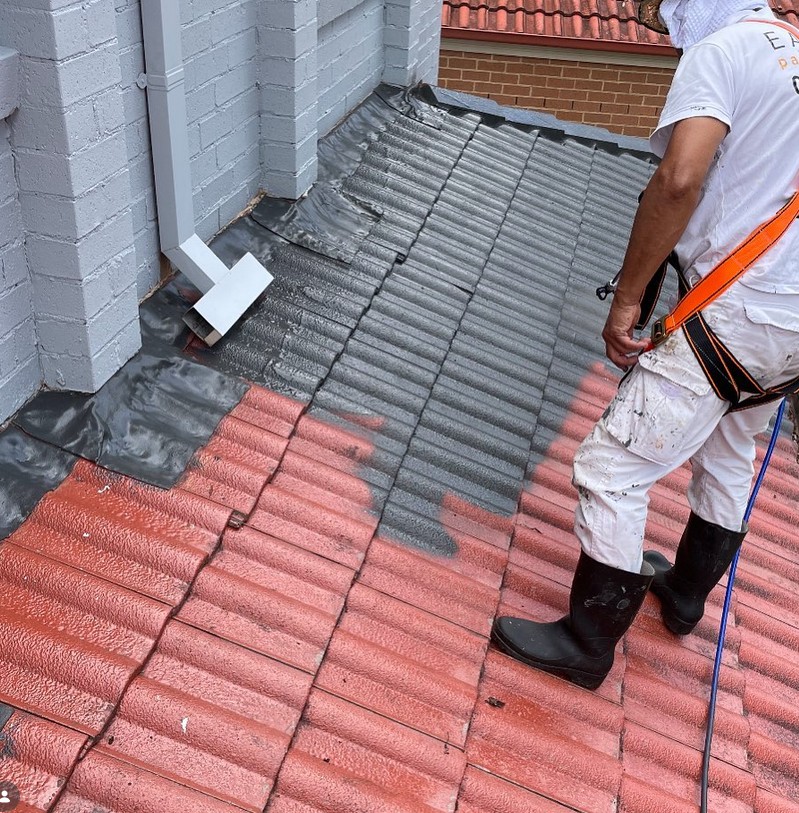
Concrete tile roofs are porous and can accumulate moss, lichen, algae, and debris over time. Before applying paint, it is essential to conduct a thorough high-pressure clean to eliminate all biological growth and dirt, followed by a fungicide treatment to eradicate any remnants loosened during the pressure wash. Failing to clean adequately means painting over an active surface, allowing biological growth to continue beneath and compromising the integrity of the coating. After cleaning, a penetrating sealer or primer specifically formulated for concrete tiles is applied before the topcoat, meaning there are two critical steps prior to any colour application.
<a href="https://limitsofstrategy.com/leaking-problems-of-flat-metal-roofs-explained/">Colorbond and corrugated iron roofs</a> necessitate a different approach. The factory finish must be abraded—either through hand sanding or using the appropriate equipment—to create a mechanical bond for the new coating. Omitting this abrasion means that paint applied directly to bare metal relies solely on chemical adhesion, which deteriorates quickly. A top-quality metal roof paint system should also be UV-stable; lower-quality exterior acrylic paints will chalk and fade much sooner under Sydney’s harsh UV conditions.
Identifying Common Shortcuts in Budget Quotes
After restoring numerous roofs, we can pinpoint where shortcuts are often taken. The most prevalent shortcuts include:
Insufficient pressure cleaning. A thorough clean for a moss-affected concrete tile roof usually takes a full day or more for an average home in the Hills District. Some operators merely spray biocide and leave it at that, or they perform a low-pressure rinse that fails to adequately remove debris. From the ground, it is impossible to assess the effectiveness of the cleaning. The truth will become apparent within 18 months when the paint starts to delaminate in patches.
Neglecting the fungicide treatment. While pressure washing removes visible moss and algae, it does not eliminate the spores that remain within the tile pores. Applying a fungicide after cleaning and allowing it to take effect is crucial to prevent regrowth beneath the coating. Skipping this step saves 30-60 minutes and a small amount of cost, but homeowners often regret this choice when green stains reappear through the paint.
Using a single coat. A proper roof coating system requires at least two coats—a primer or sealer followed by one to two topcoats. Single-coat applications are thinner, less UV-stable, and more susceptible to cracking. Some contractors may create the illusion of two coats by heavily diluting the paint, resulting in inferior coverage per litre compared to the specifications.
Using the wrong primer for the substrate. Different primer systems are necessary for concrete tile and metal roofs. Employing a standard exterior primer on Colorbond instead of a metal-specific primer with the correct adhesion profile will lead to peeling. It is only a matter of time before that happens.
Understanding Safety Regulations and Licensing Requirements
Roof painting involves working at heights, and New South Wales has specific regulations in place. According to the SafeWork NSW Work Health and Safety Regulation, any work conducted at heights exceeding 2 metres necessitates fall protection measures. For roof work, this usually involves scaffolding, roof anchors and harnesses, or ladder restraints, depending on the roof’s pitch and configuration.
Qualified painters possess the necessary training and equipment to work safely at heights. They also hold workers’ compensation and public liability insurance. If something goes wrong on an uninsured job, you could be left vulnerable. This detail may appear minor until it becomes critical.
Our licence with NSW Fair Trading (Painting Contractor Licence 105492C) encompasses all residential and commercial painting projects, including roof coatings. We are proud members of Master Painters Australia, which requires current insurance and adherence to industry standards as a condition of membership.
Distinguishing Between Roof Restoration and Roof Repainting
These terms are frequently used interchangeably, but they signify different scopes of work.
Roof repaint: This process entails cleaning, treating, priming, and painting. The tiles must be in good structural condition, and the ridge capping and pointing need to be well-maintained. This task focuses solely on the application of a coating system. Most roofs in the Hills District require this treatment when the paint begins to fade or when algae become visible.
Roof restoration: This process includes the repainting steps, along with the repointing or re-bedding of the ridge capping, mortar repairs, and sometimes the replacement of cracked or broken tiles. This level of work is essential when the mortar securing the ridge capping has cracked and dried out—a common problem in homes older than 20 years in the Hills District.
As part of our quoting process, we evaluate the roof’s condition and clearly communicate which scope of work applies. If any tiles require replacement, we will inform you prior to commencing the project.
Essential Information for Strata Managers and Property Managers
Commercial and strata roof painting must uphold the same high-quality standards while also complying with common property obligations. Roof work within a strata scheme requires appropriate insurance from the contractor, and the work must adhere to the standards outlined in the scheme’s maintenance plan.
We have extensive experience working on strata complexes and commercial properties throughout the Hills District, including navigating compliance requirements. For commercial projects where roof access during business hours is impractical, we offer after-hours scheduling options.
Clarifying the Purpose of This Article
If your roof has structural damage, cracked components, significant water penetration, or collapsed sections, those issues fall under the expertise of a roofing contractor, not a painter. We will alert you if we identify any structural concerns during our assessment.
If you are comparing quotes and primarily focused on securing the lowest price, we may not be the right choice for you. We prioritise thorough preparation and the use of suitable products, and we refuse to cut corners just to win a job.
If you want a roof that has been painted correctly and are willing to discuss the specifics of your quote—including preparation, product systems, and the number of coats—we would be thrilled to hear from you.
Your Roof Painting and Restoration Questions Answered
How often should a roof be repainted?
A high-quality roof paint job on concrete tiles can typically last for 10-15 years in Sydney’s climate when performed correctly, which includes thorough preparation, the right primer, and two full topcoats. Inadequate preparation or thin coats can drastically shorten that lifespan.
Can I paint my own roof?
Legally, yes, homeowners can do so. there are risks involved, both in terms of safety when working at heights and in the overall quality of the finished product. The preparation steps are time-consuming and easily rushed, leading to issues that often surface within a year or two.
What is the difference between roof restoration and roof repainting?
A repaint involves applying a coating system that includes cleaning, treating, priming, and topcoating. Restoration encompasses the necessary mortar repointing or re-bedding of the ridge capping along with the repainting. Roofs older than 20 years often require this additional mortar work.
Is council approval needed for roof painting in the Hills District?
Generally, no—repainting in the same or a similar colour does not require development approval. Changing the colour on a heritage-listed property is a different matter. If you’re uncertain, consult with Hills Shire or Blacktown Council.
Why do roof painting quotes vary so widely?
The differences typically arise from variations in scope. Be sure to inquire specifically about the preparation involved and the product system being employed. That’s where the significant differences lie—not just in the paint brand.
Do you use harnesses when working on steep roofs?
Yes, for roofs with a specific pitch, fall protection is mandatory under SafeWork NSW regulations, and we adhere to this requirement on every roof project.
Get in Touch for a Comprehensive Roof Assessment
If your roof in the Hills District needs a repaint or restoration—or if you’ve received a quote that seems unusually low and want to understand what might have been excluded—contact us. We will conduct an inspection, assess the roof’s condition, and provide you with a detailed quote.
Call Nasser at 0416 283 735 or email sales@easycutpainting.com.au. For further information, feel free to visit our roof restoration and painting service page.
Easy Cut Painting Services — NSW Fair Trading Painting Contractor Licence 105492C. Member of Master Painters Australia. Owner-operated from Castle Hill, serving the Hills District, Baulkham Hills, Rouse Hill, Dural, Pennant Hills, and surrounding suburbs. Over 25 years of hands-on experience. 0416 283 735 · easycutpainting.com.au
Original Article First Published At: Why You Need To Use Qualified Painters For Roof Painting And Restoration
The Article: Qualified Painters: Essential for Roof Painting and Restoration first appeared on https://writebuff.com
The Article Qualified Painters: Key to Successful Roof Restoration Was Found On https://limitsofstrategy.com
References:
Qualified Painters: Essential for Effective Roof Restoration