Explore the Culinary Marvels of Medicinal Mushrooms
Key Medicinal Mushroom Varieties to Enhance Your Culinary Creations
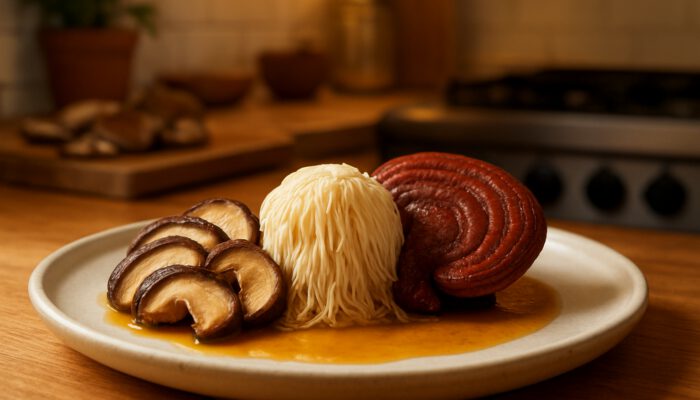
Medicinal mushrooms, such as shiitake, reishi, and lion’s mane, have gained popularity in kitchens globally due to their distinct flavours and remarkable health benefits. These fungi have the power to elevate ordinary meals into extraordinary culinary experiences, infusing dishes with rich tastes and nutritional value. Home cooks are increasingly experimenting with these varieties, embracing their unique textures and flavours to create innovative recipes that satisfy diverse palates.
Renowned for their robust umami flavour, shiitake mushrooms are a staple in Asian cuisine. Reishi mushrooms, on the other hand, lend an earthy taste that beautifully enriches broths and herbal teas. Lion’s mane, distinguished by its delicate, seafood-like flavour, pairs wonderfully with a multitude of ingredients. This adaptability fuels culinary creativity, inspiring cooks to incorporate these mushrooms into various dishes, including soups, stir-fries, and pasta.
As the focus on health and wellness continues to grow, the culinary application of medicinal mushrooms is becoming increasingly popular. Their unique characteristics not only amplify meal flavours but also provide significant nutritional benefits, reinforcing their value in cuisines worldwide.
Remarkable Nutritional Advantages of Medicinal Mushrooms
Medicinal mushrooms serve as more than just flavour enhancers; they are packed with essential nutrients that promote overall health. These mushrooms are rich in vitamins, minerals, and bioactive compounds, particularly beta-glucans, known for their immune-boosting properties. Incorporating these fungi into your diet can elevate vitality and enhance overall wellbeing.
For instance, shiitake mushrooms deliver an abundance of B vitamins, vital for energy metabolism. Research has highlighted reishi mushrooms for their stress-relieving potential, while lion’s mane is thought to support cognitive health. By integrating these mushrooms into daily meals, you can achieve a substantial nutritional boost with minimal effort.
When creatively utilised, medicinal mushrooms can transform simple dishes into nutrient-dense meals. Their unique flavours and textures can greatly enhance everyday staples like soups and stir-fries, making them an ideal choice for anyone wishing to refine their culinary skills while focusing on health.
What are the Best Methods for Incorporating Medicinal Mushrooms into Your Meals?
Incorporating medicinal mushrooms into your daily cooking is an effortless way to boost both flavour and health benefits. These fungi provide earthy notes and potential wellness advantages, making them perfect for those seeking natural enhancements in their cuisine. Their versatility allows for seamless integration into a wide range of dishes, from breakfast to dinner.
Cooks have numerous options for using medicinal mushrooms, whether as the main ingredient or a subtle enhancement that elevates the overall taste. They can be sautéed, roasted, or added to soups and stews, contributing a depth of flavour that complements other ingredients while remaining balanced. This flexibility makes them appealing to both novice cooks and experienced chefs.
Using medicinal mushrooms in your meals doesn’t require special tools or complicated techniques. With a bit of creativity, anyone can enjoy the distinct flavours and health benefits these mushrooms provide, establishing them as essential components in kitchens everywhere.
Selecting Premium Quality Mushrooms for Culinary Use
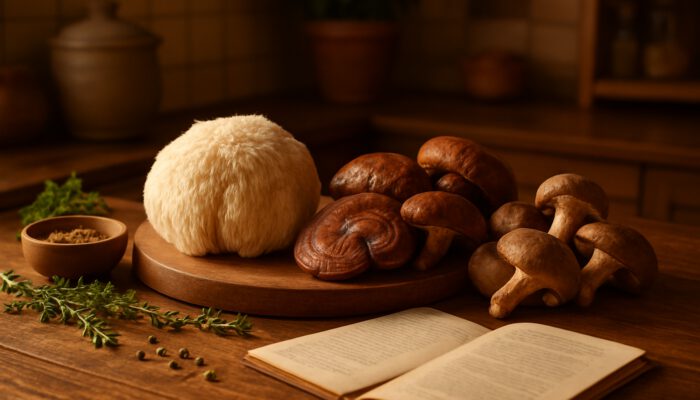
How to Choose Fresh Medicinal Mushrooms
Selecting fresh medicinal mushrooms is essential for achieving the best flavour and texture in your dishes. Seek out mushrooms with firm caps and clean stems, avoiding any that appear slimy or damaged. High-quality mushrooms will emit a pleasant, earthy aroma, indicating their freshness.
Examine the gills as well; they should be clean and devoid of excess moisture. Fresh mushrooms often exhibit a slight sheen, reflecting their ideal moisture content. By choosing high-quality specimens, home cooks can ensure their dishes will highlight the desired flavours and textures, contributing to a successful culinary experience.
Purchasing from trusted suppliers can further guarantee the quality of the mushrooms. Farmers’ markets or specialty grocery stores usually offer a superior selection of fresh, high-quality mushrooms compared to mass-produced varieties. This focus on quality is crucial for those aspiring to create outstanding meals with medicinal mushrooms.
What Factors Affect the Quality of Medicinal Mushrooms?
Several factors influence the quality of medicinal mushrooms, starting with their sourcing. Reliable suppliers who prioritise freshness and sustainability can significantly enhance the flavour and nutritional value of the mushrooms. It’s essential to select vendors who are knowledgeable about their products and can provide insights into their sourcing practices.
The growing conditions of mushrooms also play a vital role. Fungi cultivated in optimal settings, with appropriate humidity, temperature, and light, typically exhibit superior taste and texture. Mushrooms grown in natural environments often develop more complex flavours compared to those produced in controlled settings.
Proper handling and storage before the mushrooms reach consumers are crucial for maintaining quality. Storing mushrooms in suitable conditions, such as a cool environment and avoiding excess moisture, is critical for preserving freshness. By considering these factors, cooks can ensure they are using the highest quality mushrooms in their culinary creations.
Best Practices for Storing Medicinal Mushrooms Before Cooking
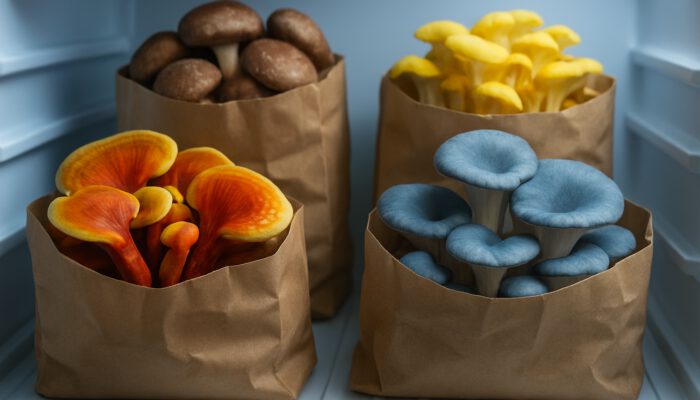
Proper storage is essential for preserving the freshness and quality of medicinal mushrooms. After purchase, store them in breathable containers, such as paper bags or perforated plastic, to prevent moisture accumulation. This practice helps avoid spoilage and ensures the mushrooms maintain their desirable characteristics until you are ready to use them.
Refrigeration is typically recommended for mushroom storage, as the cool environment can extend their shelf life. Ideally, they should be consumed within a week or two for the best flavour and texture. If any signs of wilting or sliminess appear, it’s advisable to discard them to prevent compromising your dishes.
For long-term storage, consider drying or freezing mushrooms. Dehydrating them preserves their flavour and nutritional value, while freezing maintains their texture for future use. By adhering to these storage guidelines, cooks can ensure their medicinal mushrooms remain fresh and ready for culinary adventures.
How to Confirm the Authenticity of Mushroom Varieties
It is vital to verify that the mushrooms you purchase possess the unique characteristics of their specific variety to ensure both flavour and health benefits. Certain types, such as reishi and lion’s mane, have distinctive appearances that aid in identification. Familiarising yourself with these traits can help prevent mix-ups.
When shopping, inquire about the source and characteristics of the mushrooms. Reputable suppliers typically have extensive knowledge and can provide details about the specific varieties they offer. This ensures you select the right mushrooms for your intended dishes, achieving the desired flavours and health benefits.
Look for certifications or labels indicating that the mushrooms are organic or sustainably sourced. These certifications can reassure consumers regarding the authenticity and quality of the products. By confirming the authenticity of the mushroom variety, cooks can confidently incorporate medicinal mushrooms into their recipes, knowing they are using the best ingredients for optimal results.
Elevate Your Dishes with Medicinal Mushrooms
Creative Pairings to Enhance Flavours with Medicinal Mushrooms
Medicinal mushrooms can dramatically enhance the flavour profile of a variety of dishes, making them invaluable in your culinary arsenal. When pairing these fungi with herbs, vegetables, and proteins, it’s important to consider complementary flavours that elevate the dish. For example, shiitake mushrooms blend beautifully with garlic and soy sauce, resulting in a rich umami experience.
Combining reishi mushrooms with earthy vegetables like carrots and potatoes can enhance their natural sweetness, while lion’s mane pairs remarkably with seafood or creamy sauces, introducing a unique texture and flavour. Exploring various combinations can lead to delightful culinary discoveries, allowing cooks to craft harmonious dishes that cater to a wide audience.
Incorporating medicinal mushrooms into traditional recipes can add depth without overshadowing other ingredients. Their unique flavours can enhance soups, stir-fries, and even pasta, providing a refreshing twist on familiar meals. By experimenting with flavour pairings, home cooks can unlock the full potential of medicinal mushrooms in their culinary endeavours.
Enhancing Dishes with the Unique Textures of Medicinal Mushrooms
The chewy texture of medicinal mushrooms provides a satisfying mouthfeel in various dishes, enhancing the overall sensory experience. Their consistency offers a delightful contrast to softer ingredients, making them an excellent choice for broths and sautés. For instance, adding sliced shiitake mushrooms to a vegetable stir-fry creates an enjoyable mix of textures.
In soups, mushrooms absorb the flavours of the broth while maintaining their structure, resulting in a hearty and fulfilling dish. The unique textures of different mushroom varieties also enhance a meal’s presentation, adding visual appeal. For example, the fluffy appearance of lion’s mane mushrooms can create an intriguing element on a plate.
Medicinal mushrooms are incredibly versatile, making them easy to incorporate into various cooking styles. Whether featured in Asian-inspired dishes or Western fare, their texture enriches the dining experience and encourages frequent use in home kitchens. This adaptability allows cooks to explore diverse preparations and showcase the natural qualities of these fungi.
Innovative Serving Suggestions for Medicinal Mushrooms
Incorporating medicinal mushrooms into meals can be both simple and visually appealing. One creative idea is to use them as toppings for salads or grain bowls, introducing a burst of flavour and texture. For example, sautéed shiitake mushrooms offer a rich umami punch when sprinkled over a fresh salad, elevating the entire dish.
Another suggestion is to blend medicinal mushrooms into dips or spreads. Incorporating dried, powdered mushrooms into hummus or cream cheese can create unique flavours that surprise and delight guests. This approach not only enhances the dish but also introduces the health benefits of mushrooms in a casual and approachable way.
Lastly, consider using medicinal mushrooms as garnishes for soups or main courses. A sprinkle of dried, powdered reishi can add an earthy note to creamy soups, while fresh lion’s mane can serve as an eye-catching garnish on a plate. These innovative serving suggestions promote the regular use of medicinal mushrooms in home kitchens, making them an exciting and nutritious addition to everyday meals.
Expert Tips for Cooking with Medicinal Mushrooms
How to Determine the Right Dosage When Cooking with Medicinal Mushrooms
When incorporating medicinal mushrooms into your culinary repertoire, understanding dosage is vital. Start with small amounts to gauge personal tolerance, especially if you are new to these ingredients. Gradually increasing the quantity allows you to assess your body’s response while tailoring the amounts to your taste preferences.
For example, beginning with a teaspoon of powdered reishi in a warm dish helps you understand its effects without overwhelming your palate. Pay attention to how these mushrooms interact with other foods during meal planning, as certain combinations may enhance or diminish their benefits. Keeping a food journal can also help track your experiences.
Ultimately, finding a balance that works for you is essential. Regular, moderate consumption of medicinal mushrooms may offer potential health benefits, but it’s crucial to listen to your body and adjust as needed. This thoughtful approach ensures you enjoy the culinary and wellness advantages these mushrooms provide while maintaining a positive cooking experience.
Successful Combinations of Medicinal Mushrooms in Everyday Cooking
Real-life examples of successful combinations can inspire cooks to experiment with medicinal mushrooms in their recipes. For instance, pairing reishi mushrooms with common spices like <a href="https://homerenonews.com.au/black-ginger-extract-for-boosting-performance-and-vitality/">ginger</a> and turmeric establishes a delicious foundation for soups or stews. This combination not only enhances flavour but also offers additional health benefits, as both ginger and turmeric are known for their anti-inflammatory properties.
Another successful pairing features lion’s mane mushrooms sautéed with garlic and olive oil, resulting in a simple yet delectable dish. This preparation highlights the unique texture and flavour of lion’s mane while complementing it with familiar ingredients. The result is a meal that is both nutritious and enjoyable, showcasing the versatility of medicinal mushrooms.
Cooks can also explore incorporating dried mushrooms into sauces or marinades. For example, adding powdered shiitake to homemade teriyaki sauce can deepen the umami flavour without increasing saltiness. These practical approaches encourage cooks to explore the possibilities of medicinal mushrooms, leading to delicious and healthful meals.
Guidelines for Sourcing High-Quality Medicinal Mushrooms
When sourcing medicinal mushrooms, quality is paramount. Professionals recommend verifying organic certifications and supplier reputations to ensure purity and safety. This is particularly important for mushrooms, as they can absorb toxins from their surroundings. Choosing suppliers who prioritise sustainable and ethical practices can also enhance the quality of the mushrooms.
Local farmers’ markets offer an excellent opportunity to connect with growers who can share insights about their cultivation methods. This direct interaction helps ensure that you receive high-quality, fresh mushrooms. Reputable online retailers that specialise in medicinal mushrooms often provide a wide variety of options, frequently accompanied by detailed information about their sourcing and production processes.
Before making a purchase, research suppliers and check reviews from other customers. This can provide insight into product quality and reliability. By prioritising trusted sourcing, cooks can confidently incorporate medicinal mushrooms into their culinary creations, assured they are using the best available ingredients.
Exploring the Synergies Between Medicinal Mushrooms and Common Ingredients
Combining medicinal mushrooms with everyday ingredients can enhance their health benefits and create flavourful dishes. Nutritionists emphasise how pairing mushrooms with garlic can amplify their anti-inflammatory effects, making this combination a powerful addition to numerous recipes. Garlic enhances taste while complementing the health-promoting properties of mushrooms.
Another effective pairing is with turmeric, known for its antioxidant and anti-inflammatory benefits. Incorporating both mushrooms and turmeric into a dish can create a synergistic effect, maximising overall health advantages. For instance, adding powdered reishi and turmeric to a warm broth results in a soothing and nourishing meal.
Experimenting with these combinations can lead to innovative culinary creations that are both delicious and beneficial. By understanding the synergies between medicinal mushrooms and common ingredients, cooks can maximise the potential of their dishes while promoting wellness through their meals. This approach encourages a holistic view of cooking, prioritising both flavour and health.
Best Practices for Storing Medicinal Mushrooms
To preserve the potency of medicinal mushrooms, effective storage practices are crucial. Specialists recommend keeping dried mushrooms in airtight containers, away from light and moisture. This helps to maintain their flavour and nutritional value, ensuring they remain viable for future culinary applications.
Regularly check the shelf life of stored mushrooms. Signs of degradation, such as off smells or changes in texture, indicate that the mushrooms may no longer be suitable for use. By monitoring these conditions, cooks can ensure they use fresh, potent ingredients in their dishes.
For those purchasing fresh mushrooms, consuming them within a week or two is ideal. If any excess mushrooms remain, consider drying or freezing them to extend their shelf life. Following these storage recommendations allows cooks to enjoy the benefits of medicinal mushrooms for an extended period, enhancing their meals with these nutritious ingredients.
Common Preparation Techniques for Medicinal Mushrooms
Understanding Drying Methods for Preserving Medicinal Mushrooms
Drying is a practical method for preserving medicinal mushrooms, facilitating long-term storage without compromising their nutritional value. Two popular techniques are air drying and low-heat drying. Air drying involves placing mushrooms in a well-ventilated area, away from direct sunlight, allowing them to lose moisture naturally over time.
Using a food dehydrator is another efficient method, enabling controlled temperature settings to preserve the mushrooms’ key properties. Maintaining low temperatures during the drying process is crucial to avoid degrading sensitive compounds. Once dried, mushrooms can be stored in airtight containers, ready for various recipes.
Rehydrating dried mushrooms is straightforward; soaking them in warm water for 20 to 30 minutes can restore their texture and flavour. This versatile preparation method allows cooks to enjoy the benefits of medicinal mushrooms year-round, making it an essential technique for incorporating these fungi into everyday cooking.
Convenient Techniques for Powdering Medicinal Mushrooms
Grinding dried medicinal mushrooms into a fine powder is a convenient way to add them to daily meals. This process enables easy integration into smoothies, sauces, and soups, simplifying their use in various recipes. The powdered form retains the nutritional integrity of the mushrooms, ensuring their health benefits are preserved.
To create mushroom powder, simply use a spice grinder or blender to achieve a fine consistency. This powder can be stored in airtight containers, making it easily accessible for cooking. A teaspoon or two can enhance dishes without significantly altering the overall flavour, providing an effortless way to boost nutritional content.
Using powdered mushrooms also opens up exciting culinary possibilities. They can be incorporated into baked goods, sprinkled over popcorn, or blended into salad dressings, allowing for creative uses that enhance both flavour and health. This versatility makes powdered medicinal mushrooms an excellent addition to any kitchen.
Infusion Techniques for Maximum Nutritional Benefit
Infusion is a gentle method for extracting the beneficial elements of medicinal mushrooms, suitable for both beginners and experienced cooks. Steeping mushrooms in hot liquids, such as water or broth, allows their flavours and nutrients to be released, resulting in a rich and healthful infusion.
For teas, steep dried or fresh mushrooms in hot water for several minutes, creating a soothing beverage that can be enjoyed on its own or enhanced with other ingredients like honey or lemon. This method is particularly popular for reishi mushrooms, known for their calming properties.
In culinary applications, mushroom infusions can serve as bases for soups, sauces, or risottos. The resulting liquid carries the distinct flavours and health benefits of the mushrooms, enriching the overall dish. Infusion processes provide an accessible way to enjoy the advantages of medicinal mushrooms in various culinary contexts.
Decoction Techniques for Robust Nutrient Extraction
Decoction is an effective method for extracting potent compounds from medicinal mushrooms. This process involves boiling hardy materials in water for an extended period, allowing for efficient extraction of minerals and beneficial elements. Decoctions are particularly useful for tougher mushrooms, such as reishi, which require longer cooking times to release their properties.
To prepare a decoction, chop the mushrooms into smaller pieces to maximise surface area. Simmer them in water for 30 to 60 minutes, depending on the variety. The resulting liquid can be enjoyed as a healthful beverage or used as a base for soups and stews.
Decoctions not only extract beneficial compounds but also create concentrated liquids that can enhance the flavour of various dishes. This method is ideal for maximising the health benefits of medicinal mushrooms while enjoying their unique flavours in everyday cooking.
Oil Infusion Techniques for Culinary Applications
Oil infusion is an effective technique for extracting fat-soluble components from medicinal mushrooms, resulting in flavoured oils suitable for dressings or cooking. This method allows the gradual transfer of flavours and beneficial properties into the oil, creating a versatile ingredient for various culinary applications.
To infuse oil, combine prepared mushrooms with a neutral oil, such as olive or grapeseed oil, and heat gently over low temperatures. This process must be conducted carefully to avoid overheating, which can degrade the beneficial properties of the mushrooms. After a few hours of gentle heating, strain the mixture to remove solid particles, resulting in a fragrant and healthful infused oil.
These infused oils can be used in dressings, marinades, or as finishing touches on dishes, adding depth and flavour. They can also be applied topically, such as in massages, due to the beneficial properties of the mushrooms. Oil infusion methods offer a creative avenue to incorporate medicinal mushrooms into both culinary and wellness practices.
Scientific Insights into the Benefits of Cooking with Medicinal Mushrooms
Practical Strategies for Supporting Your Immune System
Incorporating medicinal mushrooms into your diet can provide several potential immune support benefits. Here are some practical steps to consider:
- Begin by adding a teaspoon of mushroom powder to warm soups or broths.
- Integrate reishi or shiitake mushrooms into stir-fries or vegetable dishes.
- Experiment with mushroom-infused teas for a soothing beverage.
- Gradually increase your intake to find the right balance for your body.
Regular, moderate consumption of these mushrooms may help support natural immunity, making them a valuable addition to your daily meals. By being mindful of how you incorporate them, you can enjoy their potential health benefits while enhancing your culinary creations.
Investigating the Antioxidant Properties of Medicinal Mushrooms
Research has highlighted the antioxidant properties of various medicinal mushrooms, indicating they can combat oxidative stress in the body. These antioxidants play a crucial role in supporting cellular health and protecting against damage caused by free radicals. Incorporating mushrooms into meals is a practical way to harness these benefits.
For instance, studies have shown that compounds found in shiitake and maitake mushrooms can enhance the body’s antioxidant capacity. By including these mushrooms in your cooking, you can support your overall health with minimal effort. Adding them to soups, stir-fries, and salads provides a delicious way to boost your antioxidant intake.
As awareness of the importance of antioxidants grows, incorporating medicinal mushrooms into everyday meals can be an effective strategy for promoting long-term health. This simple adjustment to your diet can lead to significant improvements in wellbeing, making it an appealing option for health-conscious individuals.
Exploring Digestive Health Benefits of Medicinal Mushrooms
Medicinal mushrooms also offer potential advantages for digestive health, primarily due to their fibre content. The presence of soluble and insoluble fibres in mushrooms can aid gut function, promoting regularity and overall digestive wellbeing. Gradually introducing these mushrooms into your recipes can optimise comfort and maximise positive effects.
Starting with small amounts, such as adding shiitake mushrooms to stir-fries or incorporating powdered lion’s mane into smoothies, can help your digestive system adjust. Over time, you can increase the quantity to reap benefits without overwhelming your gut. This gradual approach allows for a smoother transition while enjoying the flavours and health advantages of these mushrooms.
The prebiotic properties of certain medicinal mushrooms can support the growth of beneficial gut bacteria, further enhancing digestive health. By including a variety of mushrooms in your meals, you can create a balanced diet that supports both gut health and overall wellness.
Effective Strategies for Storing and Preserving Medicinal Mushrooms
Guidelines for Freezing Medicinal Mushrooms
Freezing is an effective method for preserving the freshness and quality of medicinal mushrooms for future use. To ensure that the mushrooms retain their texture and nutrients, it is essential to blanch them briefly before freezing. This process involves immersing the mushrooms in boiling water for a few minutes, followed by an immediate transfer to ice water to halt the cooking process.
After blanching, thoroughly drain the mushrooms and pat them dry to remove excess moisture. Place the mushrooms in airtight containers or freezer bags, ensuring to remove as much air as possible to prevent freezer burn. Properly frozen mushrooms can last for several months, making them an excellent option for later use in soups, stir-fries, or other dishes.
When you’re ready to use frozen mushrooms, there’s no need to thaw them beforehand. They can be added directly to cooking dishes, allowing for quick and easy meal preparation. By adhering to these freezing guidelines, cooks can enjoy the benefits of medicinal mushrooms year-round without compromising quality.
Extending Shelf Life by Drying Medicinal Mushrooms
Drying medicinal mushrooms is a reliable method for extending their shelf life while preserving their flavour and nutritional value. Using a food dehydrator or an oven set to low temperatures allows for controlled drying, ensuring that the mushrooms maintain their beneficial properties. Properly dried mushrooms can be stored for months or even years without losing potency.
To dry mushrooms, slice them evenly to ensure consistent drying. Arrange them in a single layer on dehydrator trays or baking sheets, allowing for adequate air circulation. The drying process should be monitored to prevent overheating, which can degrade the mushrooms’ quality. Once fully dried, store the mushrooms in airtight containers in a cool, dark place to maintain their freshness.
Dried mushrooms can be easily rehydrated by soaking them in warm water before use. This versatility makes dried mushrooms an excellent pantry staple, allowing cooks to incorporate medicinal mushrooms into various dishes at any time.
Utilising Vacuum Sealing for Optimal Preservation
Vacuum sealing is an effective method for preserving the freshness of medicinal mushrooms by removing air from packages. This process helps to prevent oxidation, protecting the mushrooms from degradation and maintaining their quality over time. Vacuum-sealed mushrooms can last significantly longer than those stored in traditional containers.
To vacuum seal mushrooms, ensure they are clean and dry before placing them in vacuum-seal bags. Using a vacuum sealer, remove the air and seal the bags tightly. This method is particularly beneficial for both fresh and dried mushrooms, as it extends their shelf life while preserving their flavour and nutritional value.
When using vacuum-sealed mushrooms, it’s essential to label the bags with the date of sealing to keep track of their freshness. By following these vacuum sealing options, cooks can enjoy the benefits of medicinal mushrooms for an extended period, making them a convenient and nutritious ingredient in their culinary creations.
Advanced Techniques to Maximise the Culinary Potential of Medicinal Mushrooms
Combining Medicinal Mushrooms with Other Ingredients for Enhanced Flavour
Combining medicinal mushrooms with other ingredients can amplify both flavour and health benefits in complex dishes. For instance, pairing shiitake mushrooms with spices like cumin and coriander creates a robust flavour profile that complements a variety of cuisines. This approach enhances taste and maximises the nutritional benefits of the meal.
Experimenting with grains, such as quinoa or brown rice, can yield hearty dishes that showcase the versatility of medicinal mushrooms. Adding sautéed lion’s mane or reishi to a grain bowl can provide a satisfying texture and depth of flavour, making it a nutritious option for lunch or dinner.
Incorporating mushrooms into sauces or marinades can elevate everyday meals. For example, blending dried shiitake into a homemade barbecue sauce can impart a unique umami character that enhances grilled dishes. By exploring these combinations, cooks can create innovative and healthful meals that highlight the potential of medicinal mushrooms.
Controlling Cooking Temperatures for Optimal Flavour and Nutrient Retention
Maintaining moderate heat levels during cooking is crucial for preserving the sensitive compounds found in medicinal mushrooms. High temperatures can degrade their beneficial properties and alter their flavours, diminishing the overall quality of the dish. To ensure optimal results, monitoring cooking durations and adjusting heat levels accordingly is essential.
For sautéing, using medium heat allows mushrooms to cook evenly without losing their texture or nutrients. When preparing soups or stews, adding mushrooms at the appropriate stage of cooking helps retain their flavours while allowing them to absorb the essence of the broth. This careful approach ensures that the health benefits of the mushrooms are preserved throughout the cooking process.
Using gentle cooking methods, such as steaming or slow cooking, can enhance the flavours and textures of medicinal mushrooms. These techniques enable gradual flavour development, resulting in dishes that are both delicious and nutritious. By controlling the temperature during cooking, home cooks can maximise the benefits of medicinal mushrooms in their meals.
Scaling Recipes for Larger Gatherings
Scaling recipes for larger groups requires careful consideration of ingredient quantities, especially when working with potent medicinal mushrooms. Adjusting the quantities proportionally while accounting for variations in potency is essential to ensure consistent results across larger batches. This approach helps maintain the desired flavours and health benefits for all servings.
When scaling recipes, it’s useful to start with a base recipe and gradually increase the quantities of mushrooms and other ingredients. This allows for adjustments based on taste preferences and the intended effects of the mushrooms. Keeping precise notes during the cooking process can aid in future preparations, ensuring that you achieve the same results consistently.
Consider the cooking times and methods when scaling recipes. Larger quantities may require longer cooking durations or adjustments in heat levels to achieve the desired outcomes. Paying attention to these details allows cooks to successfully scale their recipes for groups while ensuring that the medicinal mushrooms maintain their quality and benefits.
Frequently Asked Questions about Medicinal Mushrooms
What are medicinal mushrooms?
Medicinal mushrooms are fungi recognised for their health benefits, including immune support and antioxidant properties. Common varieties include shiitake, reishi, and lion’s mane, each offering unique flavours and nutritional advantages.
How can I incorporate medicinal mushrooms into my diet?
You can add medicinal mushrooms to soups, stir-fries, and salads. They can also be used in teas or blended into sauces and smoothies for an easy nutritional boost.
Are there any side effects associated with consuming medicinal mushrooms?
While generally safe, some individuals may experience digestive discomfort or allergic reactions. It’s advisable to start with small amounts and monitor your body’s response.
What is the best way to store fresh medicinal mushrooms?
Fresh medicinal mushrooms should be kept in breathable containers in the refrigerator. Use them within a week for optimal freshness and flavour.
Can I use dried medicinal mushrooms in recipes?
Yes, dried medicinal mushrooms can be incorporated into recipes after rehydrating them in warm water. They retain their flavour and nutritional benefits when properly stored.
What are the best methods for preparing medicinal mushrooms?
Common preparation techniques include sautéing, infusing, and drying. Each method highlights different flavours and textures, making them versatile for cooking.
How do medicinal mushrooms benefit my health?
Medicinal mushrooms may support immune function, provide antioxidants, and promote digestive health. Regular consumption can contribute to overall wellbeing.
Can I cultivate my own medicinal mushrooms at home?
Yes, it is possible to grow your own medicinal mushrooms using mushroom kits or spores. This allows you to cultivate fresh mushrooms for culinary purposes.
When is the best time to consume medicinal mushrooms?
Medicinal mushrooms can be consumed at any time of day. Incorporating them into meals or beverages provides health benefits throughout the day.
Where can I find high-quality medicinal mushrooms?
High-quality medicinal mushrooms can be found at farmers’ markets, specialty health stores, and reputable online retailers that focus on organic and sustainably sourced products.
Visit our Facebook profile for more insights!
The post Medicinal Mushroom Cooking Guide: Key Recipes and Tips appeared first on https://cookinggods.com
The Article Medicinal Mushroom Cooking: Essential Tips and Recipes Was Found On https://limitsofstrategy.com