Boost Your Pet’s Health with Nutrient-Dense Immune-Enhancing Foods
What Are Immune-Boosting Foods for Pets and How Do They Work?

Immune-boosting foods comprise a range of specialized nutrients and ingredients designed to significantly enhance the immune system of pets. Incorporating these foods into a pet’s daily meals can greatly improve their overall health and bolster their ability to fend off a variety of illnesses. Some prime examples of immune-enhancing foods that offer remarkable health benefits for pets include:
- Blueberries
- Spinach
- Salmon
- Sweet potatoes
- Broccoli
- Chicken
- Carrots
- Pumpkin
These foods are abundant in essential nutrients that are crucial for strengthening a pet’s immune system. When these ingredients are carefully incorporated into a balanced diet, they can significantly elevate the overall health and well-being of pets, enabling them to thrive.
How Do Immune-Enhancing Foods Support Pet Health?
Immune-boosting foods provide a concentrated source of vitamins, minerals, and antioxidants that are vital for maintaining a healthy immune system. These foods are instrumental in reducing inflammation, optimising cellular function, and enhancing the body’s ability to combat harmful pathogens. For instance, foods rich in vitamin C, such as blueberries and spinach, are known for their role in enhancing immune function by stimulating the production of white blood cells, which are essential for fighting infections.
Additionally, the antioxidants present in these foods help neutralise free radicals that can lead to oxidative stress, a damaging condition that compromises immune responses. This combined action not only boosts the effectiveness of the immune system but also promotes overall health and vitality in pets, allowing them to lead more active and joyful lives.
Explore the Remarkable Health Benefits of a Nutrient-Rich Diet
A diet rich in immune-enhancing foods offers numerous advantages, including improved overall health, faster recovery from illnesses, and increased vitality in pets. When pets consume foods that are abundant in essential nutrients, they are more likely to enjoy sustained energy levels, a shiny coat, and a reduced risk of chronic diseases.
Moreover, this nutrient-dense diet strengthens the body’s natural defences against pathogens, helping pets avoid common health issues such as infections and allergies. With optimal nutrition, pets can experience longer lifespans and maintain an active lifestyle, thriving in their environments and enjoying their time with their families.
Identify the Key Nutrients Vital for Optimal Immune Function
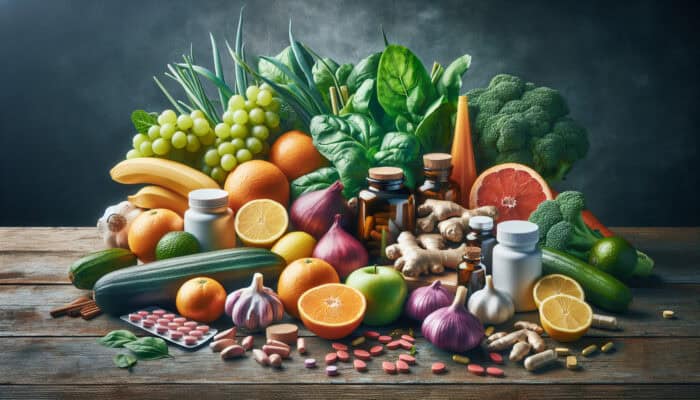
Understanding How Vitamins Support Immune Health
Vitamins play a pivotal role in fortifying a resilient immune system in pets. Essential vitamins such as A, C, and E are particularly crucial for their ability to support various cellular functions and antioxidant activities. For example, vitamin A is essential for maintaining healthy skin and mucous membranes, which act as the first line of defence against pathogens.
Vitamin C, well-known for its immune-boosting properties, assists in the production and functionality of immune cells, while vitamin E serves as a potent antioxidant, protecting cell membranes from damage. Ensuring that pets receive adequate amounts of these vital vitamins through their diet can greatly enhance their resistance to infections and improve overall health.
The Essential Role of Minerals in Supporting Immune Function
Minerals such as zinc and selenium are crucial for immune functionality, aiding in the production and activity of immune cells. Zinc is necessary for the development and effective functioning of various immune cells, including neutrophils and macrophages, which play significant roles in the body’s defence against infections.
Conversely, selenium has been shown to enhance the immune response and reduce inflammation. Pet owners should focus on incorporating mineral-rich foods like fish, nuts, and seeds to guarantee their pets receive sufficient amounts of these essential nutrients, contributing to a robust immune system and overall wellness.
How Do Antioxidants Provide Immune Support?
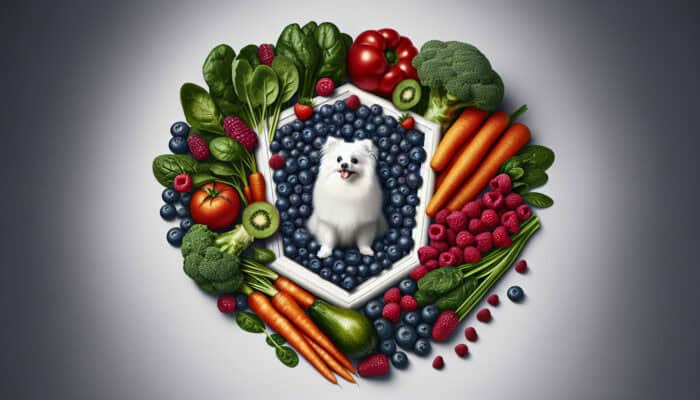
Antioxidants play a vital role in protecting the body from damage caused by free radicals, which can compromise the immune system if not managed. They work to neutralise these harmful molecules, thereby preventing oxidative stress that can lead to cellular damage. Foods rich in antioxidants, such as a variety of colourful fruits and vegetables, are excellent additions to any pet’s diet.
Incorporating a wide range of antioxidant-rich foods not only strengthens immune health but also enhances overall vitality and longevity in pets. By prioritising nutrient-dense options, pet owners can significantly improve their pets’ capacity to resist illnesses and maintain optimal health throughout their lives.
Insights from Experts on the Benefits of Immune-Enhancing Foods for Pets
Real-Life Success Stories Demonstrating the Impact of Immune-Boosting Diets
Real-world examples vividly illustrate how specific diets have positively impacted immune health in pets, offering practical insights for pet owners. Many pet owners have observed remarkable health improvements in their pets after transitioning to diets enriched with immune-boosting foods. Here are some compelling success stories:
- Max, a dog frequently troubled by infections, thrived after his owner added salmon and sweet potatoes to his meals.
- Lucy, a cat, experienced a dramatic boost in energy levels due to a diet abundant in blueberries and spinach.
- Charlie, a senior dog, showed a significant reduction in allergy symptoms after pumpkin and carrots were included in his meals.
- Rover, a rescue dog, underwent an impressive health transformation after being fed a balanced diet high in chicken and broccoli.
These real-world cases highlight the tangible benefits associated with immune-boosting diets, encouraging pet owners to make informed dietary adjustments for their beloved companions.
How to Seamlessly Add Immune-Enhancing Foods to Your Pet’s Diet
Providing clear, practical steps can assist pet owners in effectively and safely integrating immune-boosting foods into their pet’s diet. Start by gradually introducing new ingredients, carefully mixing small portions of these foods with your pet’s standard meals.
Consider the following practical steps:
1. Research: Explore various immune-boosting foods and their specific health benefits for your pet.
2. Start Slow: Introduce one new food at a time to monitor for any adverse reactions or allergies.
3. Balance: Ensure that the new foods complement proteins, fats, and carbohydrates to maintain overall nutritional balance.
4. Monitor Health: Observe your pet’s energy levels, coat health, and overall wellness as dietary changes are implemented.
By following these steps, pet owners can create a comprehensive diet that promotes immune health while ensuring their pets remain happy and healthy.
What Do Experts Say About the Connection Between Diet and Immunity?
Experts provide valuable insights into how diet directly impacts the immune system, empowering pet owners to make informed choices. Nutritionists emphasise that a well-balanced diet rich in essential nutrients forms the cornerstone for a robust immune response. They highlight the synergistic effects of specific nutrients, where vitamins, minerals, and antioxidants work together to enhance immune function.
For instance, a combination of vitamin C and zinc can significantly boost the production of immune cells, while omega-3 fatty acids possess anti-inflammatory properties that can reduce the risk of chronic diseases. By adopting a holistic approach to pet nutrition, experts guide pet owners in selecting the most beneficial foods to support their pet’s immune health.
Effective Strategies for Incorporating Immune-Enhancing Foods
Which Nutrient-Rich Foods Should You Add to Your Pet’s Meals?
Incorporating nutrient-dense foods like blueberries, spinach, and salmon can significantly enhance your pet’s immune system due to their high nutrient profile. These foods are not only tasty but also rich in essential vitamins and minerals crucial for maintaining optimal health.
Consider adding these immune-boosting foods to your pet’s meals:
- Blueberries: Packed with antioxidants and vitamin C.
- Spinach: Loaded with vitamins A, C, and E, and iron.
- Salmon: Rich in omega-3 fatty acids known for their anti-inflammatory properties.
- Sweet Potatoes: An excellent source of beta-carotene and fibre.
- Broccoli: Full of vitamins C and K, supporting overall health.
- Chicken: A high-quality source of essential protein and amino acids.
- Carrots: Abundant in beta-carotene and fibre, beneficial for digestive health.
- Pumpkin: Provides fibre and antioxidants that support gut health.
Incorporating these foods into your pet’s diet can be an enjoyable and creative process, allowing pet owners to experiment with various recipes and feeding methods that keep mealtimes exciting.
How to Transition Your Pet to a Healthier Diet Rich in Nutrients?
Gradually introducing new foods is essential to prevent digestive upset and help your pet adjust to a diet rich in immune-enhancing nutrients. Start by mixing a small portion of the new food with your pet’s existing diet, gradually increasing the amount of the new food over a week or two.
Keep a close eye on your pet during this transition, noting any signs of gastrointestinal distress, such as diarrhoea or vomiting. If issues arise, slow down the transition process or consult your veterinarian for advice. This careful approach ensures your pet remains comfortable while adapting to their new, healthier diet.
What Signs Indicate Your Pet Has a Healthy Immune System?
Indicators of a healthy immune system in pets include vibrant energy levels, a shiny coat, and quick recovery from minor health issues. Pets with a strong immune response typically show enthusiasm for play, maintain a healthy appetite, and experience minimal occurrences of infections or diseases.
Additionally, a lustrous coat often reflects good nutritional status, which is essential for skin health and overall well-being. Regular veterinary visits can provide additional insights into your pet’s immune health, ensuring they maintain optimal condition and receive the care they need.
How Often Should You Include Immune-Enhancing Foods in Their Diet?
Aim to incorporate immune-boosting foods into your pet’s meals at least 3 to 4 times a week to sustain optimal health and immune function. Consistency is key; making these nutrient-rich foods a regular part of your pet’s diet can yield significant health benefits over time.
Consider preparing meals in batches to facilitate the regular inclusion of these foods. The ultimate goal is to create a balanced diet that not only supports immunity but also provides a variety of flavours and textures, keeping your pet excited about mealtimes.
Top Immune-Enhancing Foods for Pets
Nutrient-Dense Fruits and Vegetables That Boost Immune Support
Fruits and vegetables such as apples, carrots, and kale are rich in vitamins and antioxidants that strengthen the immune system. These foods are not only nutritious but also provide essential fibre that aids in digestion and overall health.
Incorporating a diverse range of fruits and vegetables helps ensure a comprehensive nutrient profile. For example, apples are high in vitamins A and C, while carrots are rich in beta-carotene, which the body converts into vitamin A. Kale, often regarded as a superfood, is packed with antioxidants that can enhance immune functionality and promote overall health.
By offering a colourful assortment of these foods, pet owners can ensure their pets receive a well-rounded diet that supports immune health and vitality while delighting their taste buds.
The Critical Role of Protein in Strengthening Immune Health
Proteins sourced from chicken, turkey, and fish provide essential amino acids that are vital for immune health. Proteins act as the building blocks of the body and are crucial for the production of antibodies and immune cells that protect against disease.
Chicken and turkey are easily digestible protein sources, making them suitable for pets of all ages, including those with sensitive stomachs. Fish, particularly fatty varieties like salmon, not only offers high-quality protein but also includes omega-3 fatty acids known for their anti-inflammatory properties. Adding these protein sources to your pet’s diet can enhance their immune system while promoting overall wellness.
Which Supplements Can Enhance Immune Health?
Supplements such as omega-3 fatty acids and probiotics can greatly enhance the immune system when included in a pet’s diet. Omega-3 fatty acids, commonly derived from fish oil, have been shown to support immune function by reducing inflammation and promoting overall health.
Probiotics, the beneficial bacteria that support gut health, play a crucial role in maintaining a balanced gut microbiome, which is essential for a healthy immune system. A well-functioning gut improves nutrient absorption and strengthens immune responses. When considering supplements, it is vital to consult with a veterinarian to determine the suitable types and dosages tailored to your pet’s specific needs.
Research-Backed Benefits of Immune-Enhancing Foods for Pets
Scientific Evidence Supporting Nutrients and Their Role in Immune Function
Research consistently shows that certain nutrients, including vitamin C and zinc, significantly enhance immune function in pets. Numerous studies indicate that pets consuming diets rich in these nutrients experience improved resistance to infections and quicker recovery times from illnesses.
For instance, supplementation with vitamin C has been linked to increased white blood cell counts, which are crucial for combating infections. Similarly, zinc plays an essential role in the production and activity of immune cells, thereby enhancing overall immune health. These findings highlight the importance of incorporating nutrient-rich foods into pets’ diets to foster robust immune function and promote long-term health.
Long-Term Benefits of Adopting Immune-Enhancing Diets
Long-term studies suggest that pets on immune-boosting diets face fewer health challenges and enjoy longer, healthier lives. Consistently providing a diet rich in essential nutrients can significantly reduce the likelihood of chronic diseases, thereby enhancing both quality of life and longevity.
Pets fed balanced diets filled with immune-boosting ingredients tend to maintain healthier weights, exhibit better energy levels, and experience lower rates of illness. This illustrates the long-term advantages of investing in nutritious foods for pets, ultimately leading to happier and healthier companions that thrive in their homes.
What Insights Do Experts Share About Immune-Enhancing Foods?
Experts agree that a diet abundant in immune-boosting foods can lead to improved overall health and better disease resistance in pets. With a greater understanding of the connection between nutrition and immune health, veterinarians and pet nutritionists advocate for incorporating a diverse array of nutrient-dense foods into pets’ diets.
They emphasise the importance of providing not just macronutrients like proteins and fats but also micronutrients such as vitamins and minerals that are essential for a well-functioning immune system. By prioritising immune health through diet, pet owners can make informed choices that enhance their pets’ quality of life and well-being.
Addressing Potential Risks and Considerations When Feeding Immune-Enhancing Foods
How Can You Identify Allergies and Sensitivities in Pets?
Certain pets may exhibit allergies or sensitivities to specific immune-boosting foods, making careful selection and monitoring essential. It is crucial for pet owners to gradually introduce new foods, observing for any signs of allergic reactions, such as itching, swelling, or gastrointestinal disturbances.
If allergies are suspected, it is advisable to consult with a veterinarian for appropriate testing and dietary guidance. By remaining vigilant regarding potential food sensitivities, pet owners can tailor their pets’ diets to ensure both safety and health benefits, allowing them to thrive without discomfort.
Understanding the Risks of Over-Supplementation
Over-supplementation with vitamins and minerals can lead to toxicity and health complications, making moderation essential. Many pet owners may mistakenly believe that more of a beneficial nutrient is better; however, this is not always true. Certain vitamins, like A and D, can be toxic in excessive amounts, resulting in serious health issues for pets.
To avoid over-supplementation, pet owners should focus on providing a balanced diet rich in natural food sources instead of relying solely on supplements. This ensures that pets receive the necessary nutrients without the risk of excessive intake, promoting long-term health and well-being.
How to Balance Immune-Boosting Foods with Your Pet’s Regular Diet?
Achieving a balance between immune-boosting foods and a pet’s regular diet is vital to ensure they receive all necessary nutrients without overdoing it. Pet owners should aim for a diverse diet that includes proteins, carbohydrates, fats, and a wide array of vitamins and minerals.
Integrating immune-boosting foods should complement, not replace, regular meals. By gradually introducing these foods while maintaining a balanced nutritional profile, pet owners can optimise their pets’ health without compromising their overall dietary needs or causing any distress.
Effective Strategies for Including Immune-Boosting Foods in Your Pet’s Diet
How to Customize Diets to Meet Individual Pet Needs?
Tailoring diets based on specific requirements and health conditions of different pets can amplify the benefits of immune health. Factors such as age, breed, weight, and existing medical conditions significantly influence the appropriate diet.
For instance, senior pets may require more easily digestible proteins and joint-supporting nutrients, while younger, active pets may thrive on higher energy foods. Collaborating with a veterinarian or pet nutritionist can help pet owners create personalized diets that address their pets’ unique needs, ensuring they receive optimal nutrition for immune support.
What Do Experts Say About the Link Between Diet and Immune Function?
Expert insights provide a deeper understanding of how diet impacts immune health, empowering pet owners to make informed choices. Professionals in veterinary nutrition highlight the superiority of whole, fresh foods over processed options, advocating for diets that prioritise high-quality ingredients.
These analyses often clarify specific nutrient ratios and the interrelationships between various dietary components. Understanding these nuances enables pet owners to make decisions that significantly benefit their pets’ immune systems, leading to improved health outcomes and overall vitality.
What Practical Tips Can Aid Daily Feeding Routines?
Practical tips can assist pet owners in effectively and consistently integrating immune-boosting foods into daily feeding routines. Here are several strategies to consider:
1. Meal Prep: Prepare meals in advance, incorporating a mix of immune-boosting foods to simplify feeding time.
2. Rotate Ingredients: Regularly change up the fruits and vegetables to provide diverse nutrients and keep meals exciting.
3. Use Treats Wisely: Utilize immune-boosting foods as healthy treats to reinforce positive behaviours while enhancing nutrition.
4. Monitor Portions: Keep track of portion sizes to prevent overfeeding while ensuring pets receive adequate nutrients.
By implementing these tips, pet owners can seamlessly incorporate immune-boosting foods into their pets’ diets, promoting long-lasting health benefits and enhancing their quality of life.
Highlighting Key Ingredients That Support Immune Health
Identifying and explaining the advantages of specific ingredients that enhance immune health can guide pet owners in selecting suitable foods. Key ingredients to focus on include:
- Vitamin-rich fruits and vegetables
- Lean proteins like chicken and turkey
- Omega-3 rich fish
- Whole grains for fibre
- Fermented foods for probiotics
- Healthy fats such as flaxseed oil
- Legumes for additional protein sources
- Bone broth for enhanced nutrients and flavour
By understanding these essential ingredients and their benefits, pet owners can make informed choices that strengthen their pets’ immunity and overall health, ensuring they live vibrant and fulfilling lives.
Monitoring and Adjusting Your Pet’s Diet for Immune Health
What Steps Can You Take to Assess Your Pet’s Health and Dietary Intake?
Regular veterinary check-ups and monitoring your pet’s energy levels and coat condition are crucial for assessing their health and the effectiveness of their diet. Observing changes in behaviour, weight fluctuations, and overall vitality can yield valuable insights into how well your pet responds to dietary modifications.
Moreover, maintaining a pet health journal can help track food intake, changes in activity levels, and any health issues that may arise. Documenting these details allows pet owners to communicate effectively with veterinary professionals and make necessary adjustments to their pets’ diets, ensuring they remain in optimal health.
When Is It Necessary to Reassess Your Pet’s Diet?
It may be necessary to adjust your pet’s diet if you notice signs of illness, weight changes, or indications that their immune system appears compromised. For example, if a typically active pet becomes lethargic or displays signs of discomfort, it may indicate the need to evaluate their nutritional intake.
Consulting with a veterinarian can provide guidance on the best course of action, whether that involves modifying the types of food, adjusting portion sizes, or incorporating specific supplements. Being proactive in dietary adjustments can help maintain optimal health and support a healthy immune system, ensuring your pet remains lively and happy.
What Should You Do If Immune-Boosting Foods Aren’t Yielding Results?
If immune-boosting foods do not seem to be producing the desired results, it is advisable to consult with a veterinarian to investigate other health issues or dietary modifications. It is essential to rule out any underlying medical conditions that might be impacting your pet’s immune response.
Veterinarians can recommend specific diagnostics or tests to determine if other factors are involved. They may also propose alternative dietary strategies or additional treatments to improve your pet’s health. Addressing these concerns early is vital for ensuring a robust immune system and overall well-being, allowing pets to live their best lives.
Frequently Asked Questions (FAQs)
What Are the Most Effective Immune-Boosting Foods for My Pet?
Some of the most effective immune-boosting foods for pets include blueberries, salmon, sweet potatoes, spinach, and chicken. These foods are rich in vitamins, minerals, and antioxidants that enhance the immune system and promote overall health.
How Frequently Should I Include Immune-Enhancing Foods in My Pet’s Meals?
Aim to incorporate immune-boosting foods into your pet’s diet at least 3 to 4 times a week. Consistency is crucial for maintaining optimal immune health and overall well-being, helping your pet thrive.
Can All Pets Consume the Same Immune-Boosting Foods?
Not all pets can eat the same foods due to allergies or sensitivities. It is vital to tailor immune-boosting options to meet your pet’s specific needs, and consult a veterinarian if you are uncertain about which foods to include.
What Symptoms Indicate That My Pet’s Immune System Is Compromised?
Symptoms of a weakened immune system in pets include frequent infections, lethargy, poor coat health, and slow recovery from illnesses. If you observe these signs, consult a veterinarian for further evaluation and guidance.
Are There Risks Associated with Feeding Immune-Enhancing Foods?
Yes, some pets may have allergies to specific immune-boosting foods. Furthermore, over-supplementation can lead to toxicity, so moderation is key when introducing new foods into your pet’s diet.
How Can I Identify If My Pet Has an Allergy to a New Food?
Signs of an allergic reaction may include itching, swelling, gastrointestinal upset, and behavioural changes. If you suspect an allergy, discontinue the new food and consult with a veterinarian for guidance on managing the situation.
Can I Rely Primarily on Supplements Instead of Immune-Boosting Foods?
While supplements can provide benefits, whole foods offer a broader range of nutrients and health advantages. It is advisable to combine both for optimal health unless otherwise directed by a veterinarian.
How Can I Determine If My Pet’s Diet Is Balanced?
A balanced diet should encompass appropriate proportions of proteins, carbohydrates, fats, vitamins, and minerals. Regular veterinary check-ups and monitoring your pet’s health can help assess dietary balance and overall wellness.
What Should I Do If My Pet Refuses Immune-Enhancing Foods?
If your pet is hesitant to consume immune-boosting foods, consider mixing them with familiar favourites or presenting them in various forms, such as purees or treats. Patience and gradual introduction can help promote acceptance and enjoyment.
How Important Is Hydration When Introducing Immune-Enhancing Foods?
Hydration is essential for all pets, particularly when integrating new foods. Ensure your pet has constant access to fresh water to support digestion and maintain overall health, especially when they are trying new foods.
Connect with Us on Facebook!
The Article Immune Boosting Foods for Pets: Essential Nutrients: First Published On https://elgatoencasa.com
The Article Immune Boosting Foods: Essential Nutrients for Pets Was Found On https://limitsofstrategy.com