When planning to install a hoist in your workshop, assessing the condition and specifications of your floor is essential, alongside your choice of hoist. A car hoist applies significant point loads through a limited number of bolts, making it vital that the underlying concrete slab adequately supports this weight. This issue is particularly relevant for workshops in Sydney, Melbourne, Brisbane, and throughout Australia. Here’s a comprehensive guide to address this crucial consideration.
There is no universal thickness suitable for every hoist installation. The correct slab thickness is determined by the specific type of hoist, its rated load capacity, and the installation guidelines provided by the manufacturer. It is imperative for your installer, and if necessary, a structural engineer, to assess your floor’s suitability before commencing the installation.
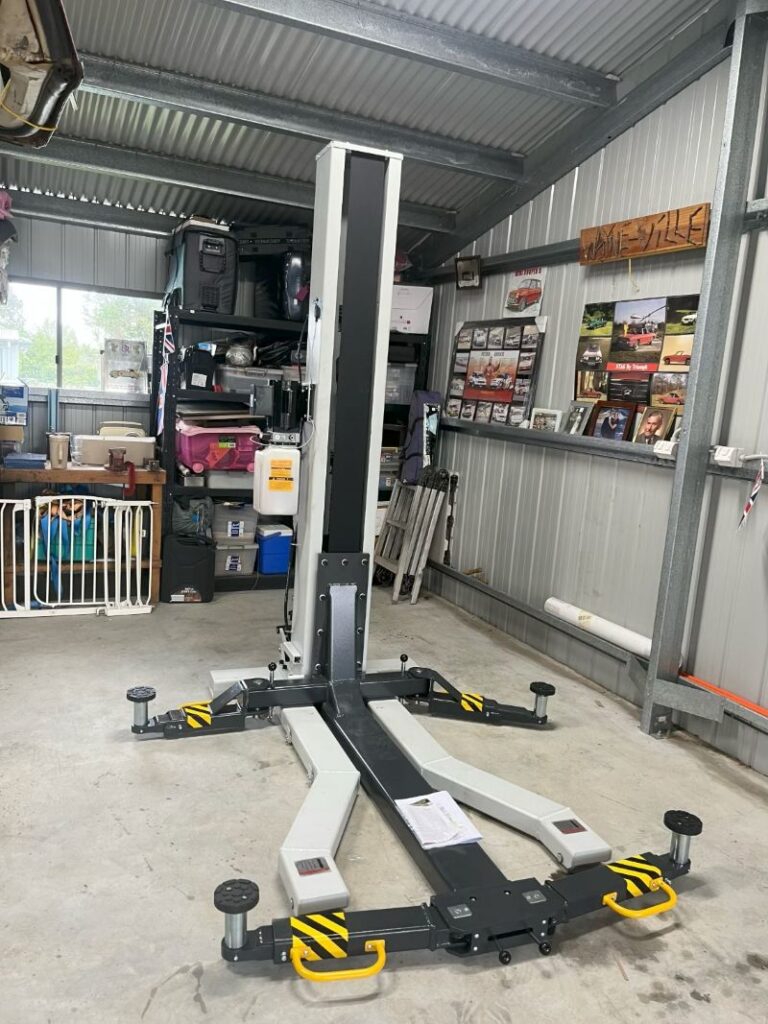
What Key Factors Influence the Floor Requirements for Your Hoist?
No single measurement applies universally, as different types of hoists exert varying loads on the floor. For instance, a two-post hoist transfers the entire weight of the vehicle through two columns, concentrating the load at the baseplate bolts. In contrast, a four-post hoist distributes its load across four posts and a larger area. A scissor lift operates closer to the ground, impacting the slab differently. The specific type of hoist determines the necessary specifications, rather than relying on a generic measurement.
Three primary factors dictate the load that your slab must support.
How to Understand Your Hoist Type and Its Load Capacity
A standard two-post hoist for cars and light commercial vehicles has distinct load requirements that differ from those of a heavy-duty four-post hoist designed for larger 4WDs and vans. Hoists with higher capacities exert greater loads at the anchor points, often necessitating a thicker and more robust slab. The capacity information can be found on the hoist’s data plate and in the accompanying manual, which should form the basis for your floor specifications.
Why Following the Manufacturer’s Installation Guidelines Is Crucial
All reputable hoists come with an installation manual detailing the minimum concrete thickness, required concrete strength, appropriate anchor types, and necessary distances from any joints or slab edges. This manual is vital for successful installation. If the slab does not meet these criteria, installation should be postponed until compliance is achieved.
Why Evaluating the Condition and Composition of Your Existing Slab Matters
Not all slabs of similar thickness provide the same level of support. Factors such as the quality of reinforcement, curing processes, proximity to control joints or cracks, and subsurface conditions all impact the slab’s ability to support a hoist. An aged slab that appears intact may still present significant risks. It is advisable to have a qualified professional assess the slab, rather than relying solely on surface observations.
What Is the Recommended Slab Thickness for Your Hoist Installation?
While many seek a definitive number for slab thickness, it is crucial that this specification comes from your hoist’s installation manual, rather than from a generic article. The manual outlines the minimum slab thickness, concrete strength, and often specifies a minimum curing period before anchors can be installed. Heavier hoists, specific anchoring systems, or suboptimal slabs may necessitate stricter requirements.
This approach prioritises safety. The reliability of a hoist is directly linked to the integrity of the surface it is anchored to. Specifications must originate from the manufacturer of your specific model, and consulting a structural engineer is advisable if the floor is old, uncertain, or marginal. Share details about the hoist you are considering and the condition of your floor, and we will assist in identifying the appropriate specifications.
How to Identify Indicators That Your Slab May Be Insufficient
While a visual inspection alone cannot provide a complete assessment of a slab, several indicators should be communicated to your installer before they provide a quote. If any of these conditions apply, mention them early to enable a thorough evaluation and avoid potential issues on installation day.
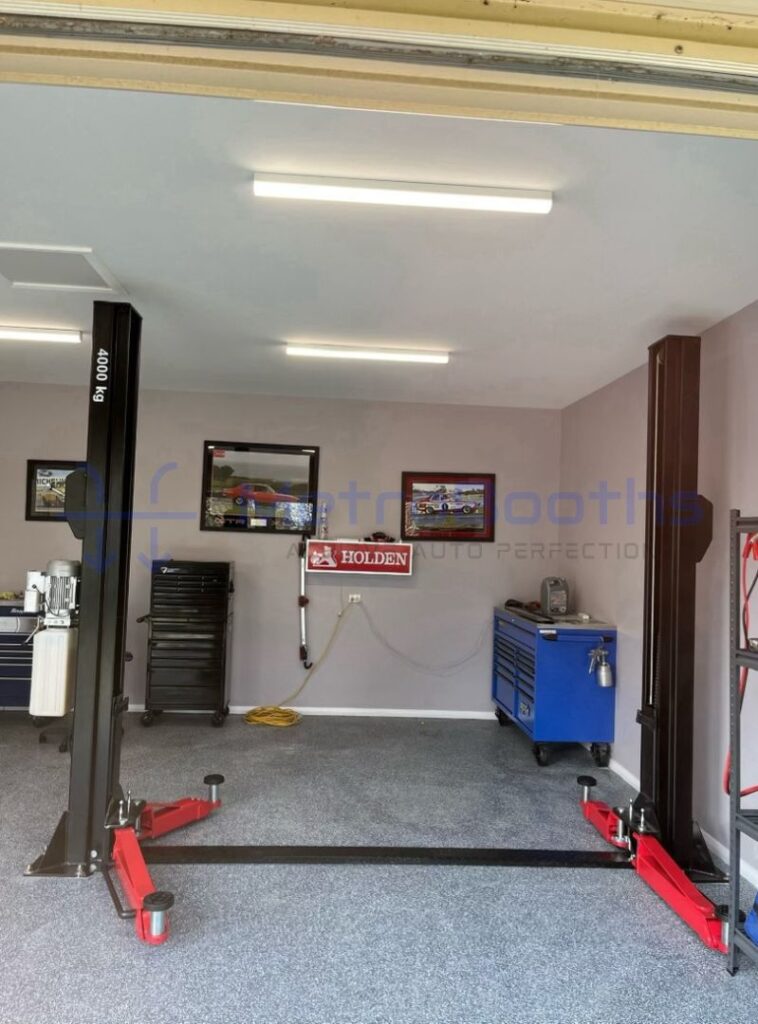
Is Your Slab Thin, Aged, or Uncertain?
If you are in a leased space and are unsure about the thickness or construction details of the floor, it is essential to resolve this question. Older industrial slabs can vary significantly in quality. If documentation is unavailable, a core test or an assessment by an engineer can provide valuable insights.
Are There Cracks, Movement, or Hollow Sounds Present?
Visible cracks near the intended anchor points, areas that have lifted or settled, or a hollow sound when tapping the surface can indicate underlying issues. While these signs do not automatically disqualify a slab from supporting a hoist, they warrant further investigation before any anchoring occurs.
Will the Hoist Be Installed Near a Joint or Edge?
Anchors positioned too close to control joints, expansion joints, or slab edges can result in inadequate anchoring. Hoist manuals specify minimum edge distances to mitigate this risk. The placement of the hoist on the floor is just as crucial as the thickness of the slab.
Who Is Responsible for Confirming the Safety of Your Floor?
This consideration is vital for your safety. Your installer confirms the suitability of your slab for a hoist, adhering to the specifications outlined by the hoist manufacturer. If there is any doubt, consulting a structural engineer is recommended. This decision should not rely on informal sources like YouTube videos or casual recommendations, as the consequences of miscalculating could be severe, including a vehicle falling.
For standard installations on known, compliant slabs, the installer following the manual is typically sufficient. If the floor is old, undocumented, marginal, or if the hoist has a high capacity, it is prudent to engage an engineer for assessment. A core sample can confirm the actual thickness and strength, while an engineer can determine if the slab can support the load or if modifications, such as a thickened pad or a new pour, are necessary.
At MetroBooths, we assist workshops in selecting the right hoist tailored to their specific site requirements rather than simply offering a product. Share information about your floor and the weight you intend to lift, and we will guide you to the appropriate hoist and identify any necessary checks beforehand.
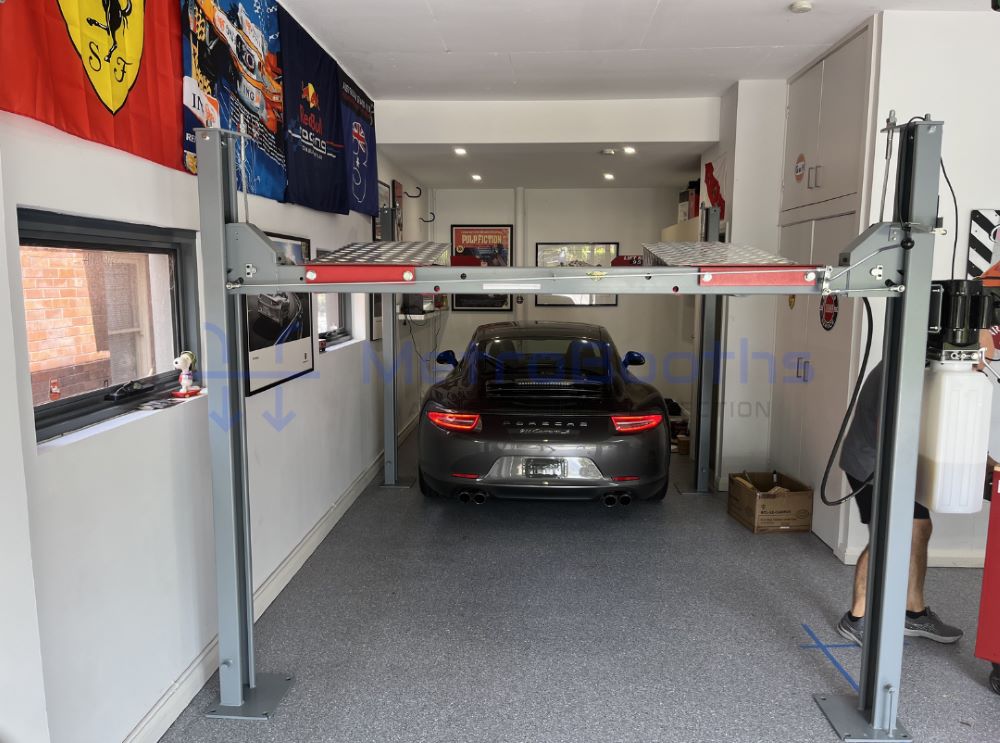
How to Choose the Right Hoist for Your Existing Floor
Often, the most practical solution is to select a hoist that matches your existing slab, avoiding additional costs for concrete repouring. There is a wide variety of hoist types available, and the best choice depends on your floor’s characteristics, ceiling height, bay configuration, and the types of vehicles you service.
A two-post hoist is the industry standard for cars and light commercial vehicles, frequently associated with slab inquiries due to its distinct loading characteristics. If your floor or layout can accommodate a wider footprint, a four-post hoist distributes loads differently and is often preferred for storage or heavier vehicles. If space or slab depth is limited, consider a scissor lift or low-rise option.
Explore our extensive range of hoists, then consult with us about your workshop’s specifics. We offer supply and installation services throughout Australia and prefer to address any flooring concerns prior to drilling.
Common Questions Regarding Hoist Installation
What Is the Minimum Concrete Thickness Required for a Two-Post Hoist?
There is no universally applicable thickness for every two-post hoist, as requirements vary based on capacity and anchor type. The necessary thickness is detailed in your specific hoist’s installation manual, which outlines the minimum slab thickness and concrete strength for that model. For older or undocumented slabs, consulting a structural engineer or conducting a core test can provide confirmation. Share your hoist details with us, and we will direct you to the correct specifications.
Is It Feasible to Install a Car Hoist on an Existing Workshop Slab?
Yes, it is often feasible provided the existing slab meets the hoist manufacturer’s minimum thickness, strength, and edge-distance requirements. Many workshops successfully install hoists on existing floors. It is crucial to ensure that the slab conforms to the specifications rather than making assumptions. If the floor is undocumented, cracked, or questionable, it should be evaluated before installation. A core sample and an engineer’s assessment can provide the necessary clarity.
What Concrete Strength Is Required for a Car Hoist?
Most car hoists specify a minimum concrete compressive strength in their installation manuals, with higher-capacity hoists potentially requiring more robust specifications. Concrete strength is influenced not only by the mix used but also by how the slab was cured and reinforced. This is why a newly poured slab generally requires adequate time to cure before anchors are installed. Always refer to the specifications in your hoist’s manual and confirm with your installer or engineer based on your specific site conditions.
Do I Need an Engineer to Assess My Floor Before Hoist Installation?
Not always, but it may be necessary in specific situations. For a straightforward installation on a known, compliant slab, following the manufacturer’s guidelines with your installer is generally adequate. You should engage a structural engineer if the floor is old, undocumented, cracked, or marginal, or if you are installing a high-capacity hoist. An engineer can verify thickness and strength through a core test and advise whether the slab is suitable or needs remediation. When in doubt, seeking an assessment is a prudent step, as it is more cost-effective than addressing the consequences of an inadequate installation.
What Should I Do If My Concrete Floor Is Not Thick Enough for a Hoist?
If your slab does not meet the hoist’s specifications, installation should not proceed until the floor is brought up to the required standard. Anchoring into an insufficient slab carries significant risks, including the potential for anchor failure under load, which could result in a vehicle falling. Common solutions include pouring a thickened concrete pad in the hoist’s footprint or adding a new section of slab according to the manufacturer’s specifications. An engineer can recommend the most appropriate option for your situation.
Prioritise Floor Safety Before Hoist Installation
The safety of a hoist is fundamentally linked to the integrity of the slab it is anchored to. Ensure that the floor meets all specifications, adhere to the manufacturer’s guidelines, and consult an engineer whenever uncertainty arises. By following these steps, you can ensure a smooth and successful installation process.
Contact MetroBooths regarding your workshop floor and lifting needs, and we will assist in specifying the right hoist for your site. Call us at 0433 426 291 or email sales@metrobooths.com.au for prompt assistance.
Original Article First Published At: How Thick Does Concrete Need to Be for a Car Hoist? (AU Guide)
The Article: Concrete Thickness for Car Hoists: An Essential Guide first appeared on https://writebuff.com
The Article Concrete Thickness for Car Hoists: A Vital Overview Was Found On https://limitsofstrategy.com