Maximise Your Energy Levels: An In-Depth Look at Macronutrients in the UK Diet
Unlock Your Energy Potential with Carbohydrates: The Ultimate Fuel Source

Carbohydrates are fundamental to energy production in the typical UK diet, serving as a critical source of fuel for both physical and mental activities. These essential macronutrients are primarily responsible for energising daily activities, whether it be walking, working, studying, or exercising. Foods rich in carbohydrates are converted into glucose, the body’s preferred form of energy. Not consuming enough carbohydrates can lead to energy deficiencies, resulting in fatigue and reduced efficiency in various tasks. Therefore, it is crucial to incorporate a diverse array of carbohydrate sources to maintain optimal energy levels throughout each day.
To achieve a robust carbohydrate intake, individuals living in the UK can enhance their meals by integrating a variety of nutritious sources. Common carbohydrate-rich foods to consider include:
- Wholegrain bread and pasta for sustained energy
- Rice and quinoa as versatile staples
- Root vegetables like potatoes and carrots for nutrient density
- Fruits such as bananas, apples, and berries for natural sweetness
- Oats and breakfast cereals for a hearty start
- Legumes including beans and lentils for protein and fibre
- Vegetables, particularly starchy varieties like corn, for added nutrition
- Biscuits and cakes, though moderation is essential for balance
By incorporating a variety of these carbohydrate sources, not only can energy levels be boosted, but overall health and well-being are positively impacted, making it vital for a balanced diet.
The Essential Contribution of Proteins to Energy Generation and Tissue Recovery
Proteins are indispensable for the growth and repair of body tissues and act as an alternative energy source when carbohydrates are scarce. For many individuals in the UK, ensuring sufficient protein consumption is crucial, as this macronutrient supports vital bodily functions, including immune response and hormone production. Daily protein needs can vary based on factors like age, sex, and activity levels; however, a general guideline suggests approximately 0.75 grams of protein per kilogram of body weight for optimal health.
To meet protein requirements effectively, UK residents should prioritise including a variety of protein-rich foods in their diets. This can be achieved by adding options like lean meats, fish, dairy products, legumes, and plant-based protein sources. For instance, skinless chicken and turkey are excellent choices for lean protein, while fish varieties such as salmon and mackerel provide healthy fats alongside protein. Additionally, pulses like chickpeas, lentils, and beans are not only high in protein but also offer fibre, promoting satiety and aiding digestive health.
Regularly evaluating protein intake is vital for individuals, especially those following vegetarian or vegan diets, as these protein sources may need careful planning to ensure dietary requirements are effectively met.
Embrace Healthy Fats: Your Secret to Sustainable Energy
Fats play a crucial role in long-term energy storage, hormone synthesis, and the absorption of fat-soluble vitamins. In the UK, the inclusion of healthy fats is vital for efficient energy metabolism. The various types of fats present in the UK diet can be classified into saturated, unsaturated, and trans fats. While saturated fats, typically found in fatty meats and dairy products, should be limited, unsaturated fats are beneficial for heart health and energy production.
Healthy fat sources include:
- Avocados packed with nutrients
- Nuts and seeds, such as almonds and chia seeds, for healthy snacking
- Olive oil and other vegetable oils for cooking
- Fatty fish like salmon and trout, rich in omega-3s
- Dark chocolate enjoyed in moderation
- Full-fat dairy products, when consumed wisely
- Nut butters for tasty spreads
- Flaxseed oil offering omega-3 fatty acids
Incorporating these healthy fat sources into daily meals can help UK residents achieve balanced energy levels, support cognitive function, and promote overall health and wellness.
Strategies for Achieving Macronutrient Balance in Your UK Diet
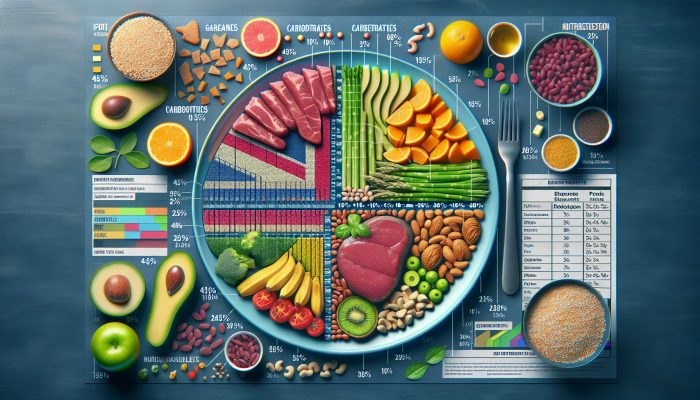
Achieving a harmonious balance of carbohydrates, proteins, and fats is essential for optimal health and energy metabolism. Residents of the UK should aim for a balanced diet that includes suitable portions of each macronutrient to meet their unique energy needs and lifestyle demands. A general guideline suggests that approximately 45-65% of total daily caloric intake should derive from carbohydrates, 10-35% from protein, and 20-35% from fats.
To ensure macronutrient needs are fulfilled, individuals can greatly benefit from meal planning. This practice involves preparing meals in advance with a clear focus on including a variety of food groups. For example, a balanced meal could feature a serving of wholegrain pasta (carbohydrates), grilled chicken (protein), and a drizzle of olive oil alongside roasted vegetables (fats).
Moreover, employing food tracking apps or maintaining a food journal can help individuals understand their eating habits, allowing for necessary adjustments. Consulting with a dietitian can provide personalised guidance that aligns with specific health goals or dietary restrictions, ensuring a balanced nutritional approach that effectively supports energy metabolism.
The Crucial Role of Micronutrients in Energy Production
Vital Vitamins That Boost Metabolic Functions
Certain vitamins, particularly the B vitamins, are essential for energy metabolism. These vital vitamins facilitate the conversion of carbohydrates, fats, and proteins into usable energy, participating in critical biochemical reactions that enable the body to function effectively. In the UK, the recommended daily intakes (RDIs) for key B vitamins vary; for instance, B1 (thiamine) is approximately 1 mg for adults, while B12 (cobalamin) is around 2.4 µg.
To ensure sufficient intake of these crucial vitamins, UK residents should focus on a diverse diet rich in natural food sources. Foods such as whole grains, meat, eggs, dairy products, leafy greens, and fortified cereals are excellent sources of B vitamins. For example, enjoying a hearty breakfast of porridge topped with berries and scrambled eggs can effectively enhance B vitamin intake, promoting improved energy production throughout the day.
Furthermore, understanding how cooking methods affect vitamin retention can help maximise nutrient availability. Techniques such as steaming or microwaving vegetables can preserve their vitamin content, unlike boiling, which often results in nutrient loss.
Key Minerals Essential for Sustaining Energy Levels

Essential minerals such as iron and magnesium play critical roles in energy production and overall metabolic processes. Iron is necessary for the formation of haemoglobin, which carries oxygen in the bloodstream, while magnesium is involved in over 300 biochemical reactions, including those that produce energy. In the UK, the recommended daily intake for iron is 14.8 mg for men and 8.7 mg for women, while magnesium needs are approximately 300-400 mg, depending on age and gender.
To optimise UK diets for these essential minerals, residents should incorporate a variety of food sources rich in iron and magnesium. Iron-rich foods include red meat, poultry, fish, lentils, beans, and fortified cereals. Pairing these with vitamin C sources, such as citrus fruits, can significantly enhance iron absorption, making it more effective.
Magnesium is abundantly found in nuts, seeds, whole grains, and leafy green vegetables. For instance, a salad featuring spinach, chickpeas, and pumpkin seeds not only provides a nutrient-dense meal but also supports energy metabolism through its mineral content. Regularly including these foods in the diet can help prevent deficiencies that may lead to fatigue and decreased energy levels.
The Positive Influence of Antioxidants on Energy Efficiency
Antioxidants play a vital role in protecting cells from oxidative damage, thereby enhancing energy efficiency and overall metabolic health. They neutralise free radicals produced during energy metabolism, which can otherwise lead to cellular stress and diminished performance. In the UK, a variety of antioxidant-rich foods are readily available from supermarkets and local markets.
The following foods are excellent sources of antioxidants:
- Berries, including blueberries and blackberries
- Dark chocolate with a high cocoa content for a sweet treat
- Nuts, particularly walnuts and pecans, for healthy snacking
- Green tea, rich in catechins for a powerful boost
- Spinach and kale, both high in flavonoids
- Artichokes for added nutrition
- Beans, especially adzuki and kidney beans, for protein and fibre
- Beetroot, which contains betalains and other antioxidant compounds
Incorporating these nutrient-dense foods into daily meals can enhance energy production by reducing oxidative stress. For instance, enjoying a morning smoothie made with spinach, mixed berries, and a scoop of almond butter provides a nutritious start to the day while boosting antioxidant intake, thereby supporting sustained energy levels and overall health.
Understanding the Importance of Hydration in Energy Metabolism
The Essential Role of Water in Energy Production
Water is critical for all metabolic processes, including energy production. It acts as a solvent for biochemical reactions, facilitates nutrient transport, and helps regulate body temperature. In the UK, where the climate can often be variable, ensuring proper hydration is vital for maintaining energy levels and overall health. Signs of dehydration may manifest as fatigue, headaches, and decreased cognitive performance, significantly impacting daily activities and overall quality of life.
To maintain optimal hydration, UK residents should aim to consume adequate amounts of water throughout the day. The commonly recommended intake is around 2 litres (approximately 8 glasses) per day; however, this may vary based on individual needs, activity levels, and environmental factors. It is essential to listen to the body’s signals; thirst is a clear indicator that hydration is necessary, but proactive hydration can prevent fatigue and help effectively maintain energy levels.
Drinking water before, during, and after physical activities is particularly important, as fluid loss can occur rapidly, especially during exercise. Additionally, incorporating hydrating foods such as fruits and vegetables, which have high water content, can positively contribute to overall hydration status.
The Essential Role of Electrolytes in Optimising Performance
Electrolytes, including sodium, potassium, magnesium, and calcium, are essential for maintaining fluid balance and are crucial for nerve function, vital for energy metabolism. For UK athletes, ensuring proper electrolyte levels is imperative to support both performance and recovery. The loss of electrolytes through sweat can lead to fatigue, muscle cramps, and diminished performance, hindering athletic achievements.
To maintain appropriate electrolyte levels, athletes in the UK should focus on balanced nutrition, especially around training sessions. Consuming electrolyte-rich foods like bananas (high in potassium), dairy products (a good source of calcium), and nuts (rich in magnesium) can effectively help replenish these vital minerals. Additionally, sports drinks may be beneficial during prolonged periods of intense exercise to quickly restore electrolyte balance, although water should remain the primary source of hydration.
Monitoring fluid and electrolyte intake before, during, and after training sessions will help athletes optimise their performance and recovery, ensuring they remain energetic and focused throughout their activities.
Practical Hydration Strategies for UK Residents
Maintaining proper hydration can significantly enhance energy levels; however, many individuals overlook the importance of adequate hydration in their daily routines. Here are some practical tips for sustaining hydration levels in the UK climate:
- Carry a reusable water bottle to encourage regular sipping throughout the day.
- Set reminders on your phone to drink water at consistent intervals.
- Incorporate hydrating foods such as cucumbers, melons, and oranges into your meals and snacks.
- Drink water before, during, and after exercise or physical activities.
- Limit caffeinated and alcoholic beverages, as these can contribute to dehydration.
- Infuse water with fruits or herbs for added flavour, making it more appealing.
- Track your water intake using apps to ensure you’re meeting your hydration goals.
- Monitor urine colour; pale yellow indicates good hydration, while dark yellow may signal a need for increased fluid intake.
By implementing these strategies, UK residents can maintain adequate hydration, thereby supporting energy levels and overall health.
The Detrimental Effects of Dehydration on Physical Performance
Dehydration can profoundly impair physical performance and energy levels, leading to decreased endurance, heightened fatigue, and diminished strength. Residents of the UK should remain vigilant about their hydration status, particularly during hot weather or intense physical activities. The body loses fluids through sweating, respiration, and urination, making it essential to replenish these losses to maintain optimal performance.
During exercise, dehydration can hinder thermoregulation and increase the risk of heat-related illnesses. To monitor hydration status during workouts, individuals can pay attention to thirst signals and observe the colour of their urine. Dark urine is a common indicator of dehydration, signalling the need for increased fluid intake.
UK residents engaging in sports or high-intensity activities should consider weighing themselves before and after exercise; a loss of 1 kg (2.2 lbs) corresponds to approximately 1 litre of fluid loss. Replenishing fluids and electrolytes after exercise is equally important for optimal recovery.
The Relationship Between Hydration and Cognitive Performance
Proper hydration is essential for cognitive function, significantly impacting energy metabolism and mental performance. Dehydration can lead to difficulties in concentration, memory issues, and fatigue, all of which can hinder productivity and mental clarity. In the UK, where busy lifestyles are commonplace, maintaining hydration is fundamental to ensuring optimal cognitive function.
Research indicates that even mild dehydration can adversely affect attention and short-term memory. To mitigate these effects, UK residents should prioritise hydration throughout the day. Incorporating regular water breaks during work hours or study sessions can effectively help maintain hydration levels.
Moreover, consuming hydrating foods can support cognitive function; for example, snacks like yogurt with fresh fruit or vegetable sticks with hummus can provide both fluids and vital nutrients. Recognising the link between hydration and cognitive performance is essential for maintaining productivity and mental agility in daily life.
Expert Insights on Energy Metabolism from Nutrition Professionals
Real-Life Case Studies Highlighting Nutrition’s Impact from UK Nutritionists
Nutritionists in the UK often share valuable insights through case studies that illustrate the impact of nutrition on energy levels. One compelling example involved a group of athletes who modified their diets to incorporate more complex carbohydrates and healthy fats, achieving a significant enhancement in their performance and energy sustainability during competitions.
For individuals looking to implement similar insights into their daily routines, actionable steps include a focus on meal composition. For instance, starting the day with a breakfast rich in whole grains and protein, such as oatmeal topped with nuts and berries, can provide sustained energy. Similarly, including a lunch that features lean proteins, whole grains, and a variety of vegetables ensures balanced macronutrient intake throughout the day.
Additionally, UK nutritionists recommend tracking food intake to identify patterns and make necessary adjustments. This practice can assist individuals in recognising when they may be lacking in specific nutrients, allowing for timely interventions that enhance overall energy metabolism.
Practical Dietary Recommendations from UK Dietitians
Dietitians in the UK provide practical advice on optimising diets for energy based on various age groups and lifestyles. For example, teenagers, who tend to be highly active, may require a higher carbohydrate intake to fuel their growth and energy needs. In contrast, older adults might focus more on protein to maintain muscle mass and strength.
Specific recommendations include:
- Ensuring meals are balanced with carbohydrates, proteins, and fats for consistent energy throughout the day.
- Encouraging regular snacking on nutrient-dense foods to maintain energy levels effectively.
- Promoting the inclusion of omega-3 fatty acids for brain health, particularly in older adults.
- Advising parents to provide a variety of foods to children, fostering healthy eating habits from a young age.
Incorporating these strategies can assist individuals of all ages in maximising their energy levels and overall health in the context of the UK.
Expert Commentary on Current Dietary Trends in the UK
An analysis of contemporary dietary trends in the UK reveals critical insights into energy metabolism. The increasing popularity of plant-based diets, for instance, has led to heightened awareness of protein sources beyond animal products. This shift encourages consumers to explore legumes, nuts, and seeds as primary protein sources, which can effectively support energy metabolism when properly balanced with other macronutrients.
Moreover, the rise of meal prep and on-the-go options reflects a growing demand for convenience without sacrificing nutrition. UK residents are increasingly seeking quick, nutrient-rich meals that align with their busy lifestyles. This trend has resulted in the availability of pre-packaged salads, wholegrain wraps, and healthy snacks that deliver the necessary macronutrients for energy.
However, awareness of potential pitfalls, such as excessive reliance on processed options or inadequate protein intake, is crucial. By analysing these trends, individuals can adjust their diets to align with their energy needs while remaining mindful of nutritional quality.
The Advantages of Adopting Balanced Diets for UK Residents
Maintaining Consistent Energy Levels Throughout Your Day
A balanced diet is essential for ensuring sustained energy levels throughout the day. When residents of the UK prioritise whole, nutrient-dense foods that offer a variety of macronutrients, they are likely to experience consistent energy and improved overall health. Emphasising foods such as whole grains, lean proteins, and healthy fats can help prevent energy fluctuations commonly associated with high-sugar and processed foods.
For sustained energy, UK residents should consider including foods such as:
- Oats and wholegrain bread for complex carbohydrates
- Chicken and fish for lean protein sources
- Avocados and olive oil for healthy fats
- Fruits, particularly bananas and apples, for natural sugars and fibre
Balancing these foods ensures that individuals have a steady energy source, thereby reducing the likelihood of fatigue and enhancing productivity in daily tasks.
Optimising Physical Performance for Active Individuals
Proper nutrition is crucial for optimising physical performance, particularly for athletes and active individuals in the UK. A well-balanced diet directly influences energy availability, endurance, and recovery. By consuming adequate macronutrients, UK athletes can experience notable improvements in their performance metrics, which can be crucial for achieving their goals.
For example, athletes should prioritise carbohydrate intake in the days leading up to a competition to ensure glycogen stores are fully replenished. Post-exercise, focusing on protein intake can aid in muscle recovery and repair, thereby enhancing overall performance. This can be accomplished through meals that include brown rice, grilled chicken, and colourful vegetables, which provide the necessary nutrients to support recovery.
Moreover, hydration plays a vital role in physical performance. Maintaining fluid balance helps prevent fatigue and improves endurance, ensuring athletes can perform at their best during competitions and workouts.
Enhancing Mental Clarity and Focus Through Nutrition
Nutrition significantly impacts brain function, leading to improved focus and productivity. Consuming a balanced diet rich in essential nutrients can enhance cognitive health, which is an important consideration for UK residents leading busy lifestyles. Key nutrients that support cognitive health include omega-3 fatty acids, B vitamins, and antioxidants, which collectively contribute to optimal brain function.
Foods that support brain function include:
- Fatty fish like salmon and mackerel, rich in omega-3 fatty acids
- Leafy greens such as spinach, packed with B vitamins
- Berries, which are high in antioxidants
- Nuts and seeds, providing healthy fats and vitamin E
By incorporating these nutrient-dense foods into their diets, individuals can bolster their cognitive function, improving focus, memory, and overall productivity in both professional and personal settings.
Reducing the Risk of Chronic Diseases Through Balanced Nutrition
A balanced diet can significantly lower the risk of chronic diseases such as heart disease and diabetes, which are prevalent concerns for many individuals in the UK. By making informed dietary choices, residents can profoundly impact their long-term health and well-being. Emphasising whole foods, limiting processed options, and being mindful of portion sizes can all contribute to effective disease prevention strategies.
For instance, opting for whole grains instead of refined grains can lower cholesterol levels and improve heart health. Incorporating a variety of colourful fruits and vegetables provides essential vitamins and minerals that support immune function and reduce inflammation within the body.
Moreover, adopting a diet low in added sugars and saturated fats can help manage weight, a key factor in preventing chronic conditions. UK residents should aim for a diet rich in plant-based foods, lean proteins, and healthy fats to promote both health and longevity.
Identifying Common Dietary Challenges Faced by UK Residents
Addressing Excessive Consumption of Processed Foods
Processed foods are often laden with sugars and unhealthy fats, leading to energy spikes and crashes that can adversely affect health and well-being. In the UK, the convenience and availability of processed options can result in habitual overconsumption. This pattern can lead to fluctuating energy levels, weight gain, and an increased risk of chronic diseases.
To combat this issue, UK residents should actively seek healthier alternatives. Rather than reaching for sugary snacks or ready-made meals, opting for whole food snacks, such as fruits, nuts, or homemade smoothies can provide better nutritional value. Cooking at home using fresh ingredients also allows for greater control over nutrient intake and portion sizes.
Moreover, reading labels to identify added sugars and unhealthy fats can empower individuals to make informed choices. By being mindful of their food selections, UK residents can reduce their reliance on processed foods and enhance their overall energy metabolism.
Tackling Insufficient Nutrient Intake Among the Population
Many individuals in the UK fail to meet their daily nutrient requirements, which can impair energy metabolism and overall health. Factors such as busy lifestyles, lack of awareness, and limited access to fresh produce can all contribute to inadequate nutrient intake among residents.
To address this issue, UK residents should focus on a diverse diet that includes a plethora of fruits, vegetables, whole grains, lean proteins, and healthy fats. Meal planning can also be a valuable tool in ensuring that meals are balanced and nutrient-dense.
For instance, incorporating a variety of colourful vegetables into meals guarantees a range of vitamins and minerals are consumed. Furthermore, considering fortified foods or supplements can help bridge gaps in nutrient intake if necessary. Seeking advice from a healthcare professional or dietitian can provide tailored recommendations based on individual dietary needs and health goals.
Overcoming Challenges Related to Meal Timing and Frequency
Irregular eating patterns can disrupt energy levels, leading to fatigue and decreased performance. In the UK, many individuals may skip meals or fall into the trap of eating too infrequently, adversely affecting energy metabolism and overall well-being.
Best practices for meal timing include consuming regular meals and snacks, ideally every 3-4 hours, to maintain stable energy levels. This is particularly important for those with busy schedules. Preparing healthy snacks in advance can help prevent the temptation of unhealthy options when hunger strikes.
Additionally, paying attention to the timing of meals around physical activities is crucial. Consuming a balanced meal or snack before exercise can enhance performance and recovery, while post-exercise meals should focus on replenishing lost nutrients and fluids to aid recovery.
Best Practices for Optimising Diets for Enhanced Energy in the UK
Focusing on Whole Foods in Daily Nutrition
Whole foods are packed with essential nutrients that support energy metabolism. By prioritising these foods, UK residents can significantly enhance their dietary quality and overall energy levels. Incorporating whole foods into daily diets can be achieved through a variety of strategic approaches.
One effective method is to fill half of your plate with fruits and vegetables during meals. This not only ensures a variety of vitamins, minerals, and antioxidants are included but also promotes satiety and overall health. Additionally, choosing whole grains such as brown rice, quinoa, and wholemeal bread provides more nutrients compared to their refined counterparts.
Moreover, preparing meals from scratch allows individuals to control the quality of ingredients while avoiding unnecessary additives. Quick recipes that incorporate whole foods, such as vegetable stir-fries or whole grain salads, can facilitate the maintenance of a healthy diet amid busy schedules.
Striving for a Balanced Macronutrient Profile
A balanced intake of carbohydrates, proteins, and fats is key to optimising energy metabolism effectively. UK diets can be adjusted for optimal balance by ensuring that each meal contains a combination of these macronutrients. This approach helps stabilise blood sugar levels and maintain energy throughout the day.
For example, a balanced breakfast might comprise porridge topped with nuts and fruits, providing complex carbohydrates, healthy fats, and protein. Lunch could consist of a wholegrain wrap filled with turkey, salad, and avocado, ensuring a nutritious mix of macronutrients.
Regularly reviewing portion sizes and meal composition can also help UK residents achieve a balanced diet. Taking into account individual energy needs based on activity levels and lifestyle can further refine macronutrient intake, ensuring energy demands are met effectively.
Utilising Seasonal Produce for Optimal Nutrition
Seasonal produce in the UK is not only fresher but often more nutrient-dense, offering a variety of flavours and textures. Prioritising seasonal foods can enhance energy levels while simultaneously supporting local agriculture and economies.
During spring and summer, residents can enjoy an abundance of vegetables such as asparagus, peas, and tomatoes, along with fruits like strawberries and rhubarb. In autumn and winter, root vegetables, brassicas, and apples become more prevalent, providing essential nutrients for energy and vitality.
Shopping at local farmers’ markets or planning meals around seasonal offerings can encourage individuals to experiment with new recipes and food combinations. This approach not only supports energy metabolism but also fosters appreciation for local produce and sustainable eating practices.
Research-Backed Advantages of Nutrition for Energy Metabolism
Exploring the Effect of Macronutrients on Energy Levels
Research consistently demonstrates that macronutrients significantly influence energy levels and overall health. Recent studies conducted in the UK have explored how variations in carbohydrate and protein intake can affect energy metabolism and performance. For instance, athletes who incorporated higher carbohydrate intake prior to events often reported enhanced endurance and lower perceived exertion levels, which can be critical for performance.
These findings underscore the importance of tailoring individual macronutrient ratios to specific needs and activities. Understanding how different macronutrient profiles affect energy levels allows UK residents to make informed dietary choices that optimise their performance and well-being.
Additionally, studies indicate that individuals consuming a balanced diet rich in whole foods experience fewer energy dips compared to those who rely heavily on processed snacks. This reinforces the notion that nutrition directly impacts energy metabolism and overall vitality.
Investigating the Effectiveness of Micronutrients Through Research
Micronutrients play a critical role in energy metabolism, supported by numerous studies conducted in the UK. Research has demonstrated that deficiencies in key vitamins and minerals can lead to fatigue, impaired cognitive function, and decreased physical performance.
For example, a study in the UK found that individuals with low iron levels often reported increased fatigue and reduced exercise capacity. Similarly, inadequate vitamin D levels have been linked to diminished muscle function and energy levels, particularly in older adults, highlighting the need for adequate nutrient intake.
UK residents can apply these findings by ensuring a varied diet that includes a range of micronutrient-rich foods. Regularly consuming fruits, vegetables, whole grains, and lean proteins can help prevent deficiencies, thereby enhancing energy metabolism and overall health.
Insights from Longitudinal Dietary Research in the UK
Long-term studies provide valuable insights into the effects of diet on energy levels and overall health. Research conducted in the UK has revealed trends in dietary habits and their correlation with energy metabolism. For instance, studies have shown that individuals adhering to a Mediterranean-style diet, rich in fruits, vegetables, whole grains, and healthy fats, frequently report higher energy levels and better overall health outcomes.
These longitudinal studies underscore the importance of consistent, healthy eating patterns over time. UK residents can benefit from adopting and maintaining a balanced diet that aligns with these findings, ensuring sustained energy levels and reduced risk of chronic diseases.
Evaluating the Impact of Nutritional Interventions on Energy Levels
Targeted nutrition programs in the UK have demonstrated positive influences on energy metabolism among participants. For instance, community initiatives aimed at improving dietary habits have resulted in increased fruit and vegetable intake, leading to enhanced energy levels and overall vitality.
Implementing nutritional interventions, such as workshops and cooking classes, empowers individuals to make healthier choices. These programs often focus on practical strategies for incorporating whole foods and balanced meals into daily routines.
By participating in these initiatives, UK residents can gain valuable knowledge and skills that directly impact their energy metabolism, illustrating the potential of nutrition as a powerful tool for improving health and well-being.
Highlighting the Importance of Hydration in Energy Metabolism
Research increasingly highlights the significance of hydration for optimal energy metabolism. Studies conducted in the UK indicate that even slight dehydration can lead to diminished cognitive performance and decreased physical endurance.
For adults in the UK, maintaining adequate hydration throughout the day is paramount for sustaining energy levels. Recommendations suggest aiming for at least 2 litres of water daily, with increased intake advised during hot weather or periods of physical activity.
Incorporating hydrating beverages and foods can further enhance overall fluid intake. Encouraging UK residents to monitor their hydration status through simple strategies, such as observing urine colour and incorporating regular water breaks, can support energy levels and metabolic health effectively.
Proven Strategies for Nutrition to Enhance Energy Metabolism
Creating Individualised Nutrition Plans for Optimal Energy
Tailored nutrition plans can optimise energy levels by addressing individual needs based on lifestyle, age, and activity levels. UK residents seeking personalised nutrition advice can consult with registered dietitians or nutritionists, who can create custom meal plans ensuring adequate macronutrient and micronutrient intake.
Personalisation may involve assessing dietary preferences, health goals, and any existing medical conditions. For example, athletes may require higher carbohydrate and protein intakes, while individuals managing weight might focus on a balanced approach with controlled portions.
By following a personalised nutrition plan, individuals can enhance their energy levels, improve performance, and achieve better health outcomes that cater to their unique needs.
Using Nutritional Supplements Effectively for Support
Supplements can assist in addressing nutritional gaps but should be used judiciously. In the UK, common supplements recommended for energy support include vitamin D, B vitamins, and omega-3 fatty acids, which can be beneficial in enhancing overall well-being.
Before starting any supplement regimen, UK residents should consult with healthcare professionals to assess individual needs and avoid excessive intake. For instance, those with limited sun exposure may benefit from vitamin D supplementation, particularly during winter months when natural sunlight is scarce.
Utilising supplements as an adjunct to a balanced diet rather than a replacement is crucial. Ensuring a nutrient-dense diet rich in whole foods should remain the primary focus for optimal energy metabolism and overall health.
Integrating Nutrition Principles into Everyday Routines
For sustained energy, nutrition principles must be woven into daily life. Making small, practical changes can have a substantial impact on overall energy levels and health. UK residents can start by setting achievable goals, such as incorporating one new fruit or vegetable into meals each week or preparing a healthy snack for work or school.
Additionally, practising mindful eating can enhance awareness of hunger and fullness cues, preventing overeating and increasing satisfaction with meals. This can be achieved by taking time to enjoy meals without distractions, fostering a deeper connection with food and its nutritional value.
By integrating nutrition principles into everyday routines, UK residents can enhance their energy levels, improve overall health, and cultivate healthier eating habits in the long term.
Frequently Asked Questions About Nutrition and Energy
What are the key macronutrients vital for energy metabolism?
The key macronutrients vital for energy metabolism are carbohydrates, proteins, and fats. Each plays a critical role in providing energy, supporting bodily functions, and maintaining overall health effectively.
How can I ensure adequate protein intake in my diet?
To ensure sufficient protein intake, include a variety of sources such as lean meats, fish, dairy, beans, and legumes in your meals. Aim for a balance tailored to your individual needs and activity levels for optimal health.
What are the common signs of dehydration?
Common signs of dehydration include thirst, dark yellow urine, dry mouth, fatigue, and dizziness. Monitoring fluid intake and being attentive to these indicators can assist in maintaining proper hydration levels.
How do antioxidants support energy metabolism?
Antioxidants protect cells from oxidative stress, thereby enhancing energy efficiency. Foods rich in antioxidants, such as berries and leafy greens, can support overall metabolic health and energy levels effectively.
What role do vitamins play in energy generation?
Vitamins, particularly B vitamins, are crucial for energy generation as they facilitate the conversion of macronutrients into usable energy. Ensuring adequate intake through a balanced diet is vital for optimal metabolism and overall health.
How can I effectively optimise my hydration levels?
To optimise hydration levels, aim to drink at least 2 litres of water daily, consume hydrating foods, and monitor urine colour as a guide for fluid intake. Staying mindful of hydration is essential for maintaining energy levels.
What are the benefits of maintaining a balanced diet?
A balanced diet provides consistent energy levels, enhances physical performance, supports cognitive function, and reduces the risk of chronic diseases, thereby contributing to overall well-being and vitality.
How does meal timing affect energy levels?
Meal timing affects energy levels by stabilising blood sugar levels. Eating regular meals and snacks can help prevent energy dips and ensure consistent energy throughout the day effectively.
What are some common dietary pitfalls in the UK?
Common dietary pitfalls in the UK include excessive consumption of processed foods, insufficient nutrient intake, and poor meal timing, all of which can negatively impact energy metabolism and overall health.
How can I integrate more whole foods into my diet?
Incorporating more whole foods can be achieved by focusing on fresh fruits, vegetables, whole grains, and lean proteins. Meal prepping and cooking at home can also support this goal effectively.
Connect with us on Facebook!
The Article Nutrition for Energy Metabolism: UK Guide Was First Published On https://acupuncture-frome.co.uk
The Article Energy Metabolism: A Guide to Nutrition in the UK Was Found On https://limitsofstrategy.com
References:
Energy Metabolism: Essential Nutrition Insights for Australia