If your drain is frequently becoming blocked, the root cause is likely due to insufficient repairs performed by prior plumbers. You may have engaged several professionals who cleared the blockage yet claimed the issue was resolved. just a few months later, your shower clogs again or your kitchen sink produces alarming gurgling sounds. This situation is not mere coincidence; you are dealing with a persistent problem arising from temporary fixes that overlook the underlying cause.
Let’s explore the key issues involved and examine what a lasting solution entails for households in the Sutherland Shire.
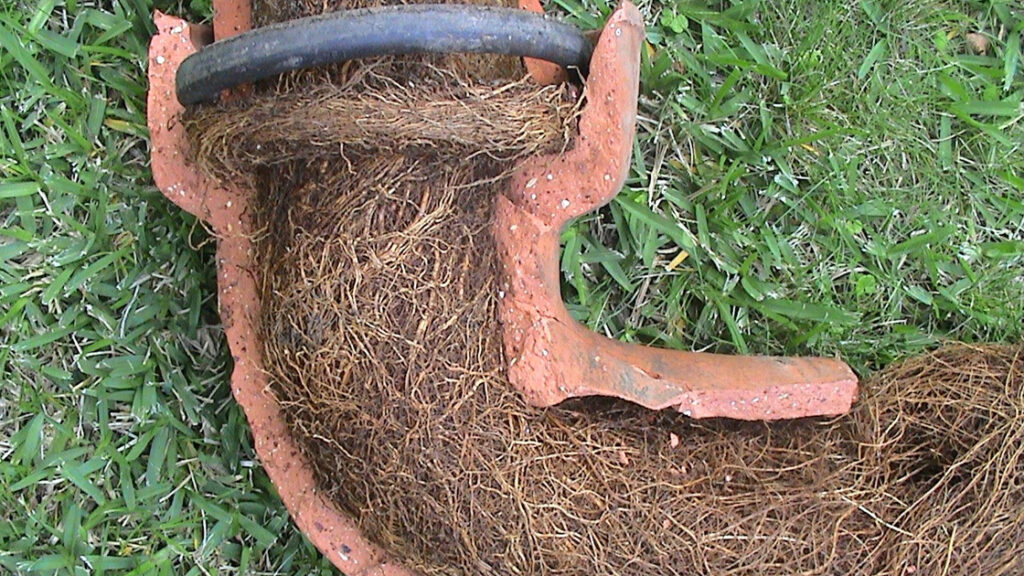
Explore the Impact of Root Intrusion on Older Homes in Sutherland Shire
This common issue is particularly pronounced in the older suburbs of Cronulla, Sutherland, and Engadine. Several factors contribute to the susceptibility of local plumbing systems:
- Age of the homes: Many residences in the Shire were built between 1960 and 1990. The drains beneath these properties often consist of vitrified clay or earlier generation earthenware, with connections occurring roughly every metre, fastened with rubber rings or cement collars. These joints were not designed for durability.
- The trees: Native species such as Eucalypts, paperbarks, melaleucas, and the grand old figs that grace many Shire gardens possess aggressive root systems that actively seek out moisture. These roots can detect moisture vapour escaping from a joint from several metres away.
- The soil: Sandy soil allows for swift drainage, prompting tree roots to extend in search of water. your drain becomes the most reliable water source in the garden, especially during the hot summer months.
In contrast, homes constructed in the 2010s feature PVC pipes with solvent-welded joints and fewer mature trees, making older properties in the Shire particularly vulnerable to root intrusion.
What Methods Do Tree Roots Use to Access Your Drainage System?
Tree roots do not invade healthy pipes directly. Instead, they exploit existing weaknesses:
- Joint failure: Over time, the rubber seal between two pipe sections may degrade, or the cement collar may develop cracks. A slender root tip can easily penetrate through, locate moisture, and gradually expand.
- Hairline cracks: Ground movement, the weight of vehicles above, or simple ageing can cause cracks in older pipes. Roots will search for and follow these fissures.
- Pipe deflection or belly: If a segment of pipe dips or shifts, the joints may separate slightly, creating an entry point for roots.
Once inside, roots spread into a tangled network, trapping debris such as wet wipes, hair, and fats, which leads to the blockages you frequently pay to clear.
What Actually Happens When You Clear a Drain Blockage — And What Issues Remain
While hydro-jetting effectively removes roots, it fails to address the entry point that allowed them to invade initially.
A powerful jetter operating at 5,000 PSI can obliterate the root mass and flush it out, restoring drain functionality. The plumber leaves, and it may seem like the issue has been resolved.
The joint or crack that facilitated the roots’ intrusion remains unaddressed. It continues to leak moisture into the surrounding soil, attracting new root growth—typically within six to eighteen months, depending on the season and the type of tree.
A mechanical snake, commonly called an electric eel, provides an even less effective solution. It merely creates a hole through the root ball to permit water flow, yet the majority of the roots linger within the pipe and regenerate faster than a properly jetted line.
Why Does My Drain Keep Getting Clogged?
Two primary factors lead to this ongoing issue:
- The original roots regrow: Cutting a root inside a pipe is akin to trimming a hedge; it will return thicker than before.
- New roots exploit the same entry point: Once a pipe joint is compromised and begins to leak, nearby trees become aware of it. Even if you remove the initial tree, surrounding trees—or those from your neighbour’s yard—will eventually discover the same gap.
Simply clearing the blockage serves as a short-term maintenance strategy rather than a permanent fix. If you’re comfortable paying for a clearance every one to two years, that’s a valid choice. Many individuals favour a definitive solution that genuinely resolves the issue.
Discover the Long-Term Solution — Pipe Relining (No-Dig CIPP)
Pipe relining, also known as Cured-In-Place Pipe (CIPP), allows for the installation of a new pipe within your existing one without the need for excavation in your garden.
Here’s what a typical job involves in the Sutherland Shire:
- CCTV inspection: We insert a camera into the line to accurately identify the locations of cracks, joints, and areas where roots have entered. You can view the footage with us.
- Hydro-jet clean: We thoroughly eliminate the roots and clean the interior of the pipe down to its bare surface.
- Liner insertion: A felt sleeve, saturated with a two-part epoxy, is either pulled or inverted into the pipe and then inflated against its inner wall.
- Curing: The epoxy hardens in place (through heat, steam, or ambient conditions) over several hours, after which the bladder is removed.
- Final CCTV inspection: We conduct a second camera inspection to ensure that a continuous and seamless new pipe has been installed within the old one.
The result is a robust pipe-within-a-pipe structure that has no joints for roots to penetrate. It is designed to last over 50 years, and your garden, driveway, deck, and paving will remain undisturbed throughout the process.
When we say “in-house,” we genuinely mean it. Our team manages the entire process, from the CCTV inspection to the installation of the cured liner—never subcontracting to others. This continuity is essential because the plumber who diagnosed your blockage also designs the relining, ensuring accountability for the results. You won’t have to deal with unnecessary communication between different trades or finger-pointing if further work is required.
Detailed Cost Breakdown — Clearing, Relining, and Full Pipe Replacement
Here are realistic cost ranges specific to the Sutherland Shire. Every job is unique, and we provide a fixed quote after a thorough CCTV inspection.
- Hydro-jet clear: Starting from $400 — lasts 6 to 18 months — minimal disruption
- Pipe relining (per section): Starting from $4,000 — lifespan of 50+ years — minimal disruption, no excavation required
- Full pipe replacement (excavate and re-lay): Starting from $15,000 — lifespan of 50+ years — significant disruption to your yard, pathways, and potentially your driveway
If your drain continues to block and you have already spent money on two clearances, relining often pays for itself within three years compared to ongoing clearings—and it resolves the recurring issue. If you don’t see your pricing listed, please contact us for a straightforward quote following an inspection of the line.
Explore Our Service Areas Across Sutherland Shire
We offer our services throughout the entire Shire and Southern Sydney, but we frequently encounter root invasion issues in older pipe systems:
- Cronulla
- Caringbah
- Miranda
- Sutherland
- Engadine
- Menai
- Sylvania
- Gymea
If your home is situated in one of these suburbs and was constructed before 1990, there is a high likelihood that your blockages are the result of root intrusion.
Find Answers to Your Frequently Asked Questions
How Can I Tell If Tree Roots Are the Cause of My Drain Issues?
Look for indicators such as frequent blockages in the same line, gurgling sounds from the drains, slow-draining showers and toilets, and patches of unusually lush grass over the pipe run. A CCTV inspection can confirm this in about 20 minutes.
Is It Enough to Simply Remove the Tree?
While tree removal is possible, it often does not resolve the underlying problem. The dead root mass will remain in the pipe, and other trees (from your property or your neighbour’s) will likely exploit the same compromised joint. Repairing the pipe offers a long-term solution; tree removal is optional.
Will My Home Insurance Cover This Type of Damage?
Sometimes—typically only if a specific event (such as a storm or ground movement) caused the damage, rather than gradual root invasion. It’s advisable to consult with your insurer, but do not rely solely on insurance. We can provide CCTV footage to support your claim.
How Long Will the Relining Process Take?
Most single-section relining jobs are completed within a day. More complex or branched runs may take up to two days. You can remain in your home during this time—water will only be turned off briefly during the curing process.
Could the Same Trees Cause New Blockages Elsewhere?
Only if there are additional weak joints or cracks further down the line. That is why we inspect the entire line with a camera instead of just the blockage site, allowing you to decide whether to reline one section or the entire pipeline.
Reach Out to The Blocked Drain Guys for Expert Assistance
We are licensed plumbers in NSW and specialists in blocked drains, performing pipe relining in-house—never through subcontractors. If your Sutherland Shire drain continues to be problematic, we will conduct a thorough inspection, provide a transparent quote, and resolve the issue permanently. Contact us by phone or through our website, and we will dispatch someone to assist you promptly.
Original Article First Published At: Tree Roots In Your Sutherland Shire Drains — Why It Keeps Coming Back
The Article: Tree Roots in Sutherland Shire Drains: The Recurring Issue first appeared on https://writebuff.com
The Article Tree Roots in Drains: A Persistent Problem in Sutherland Shire Was Found On https://limitsofstrategy.com
References:
Tree Roots in Drains: A Persistent Problem in Sutherland Shire